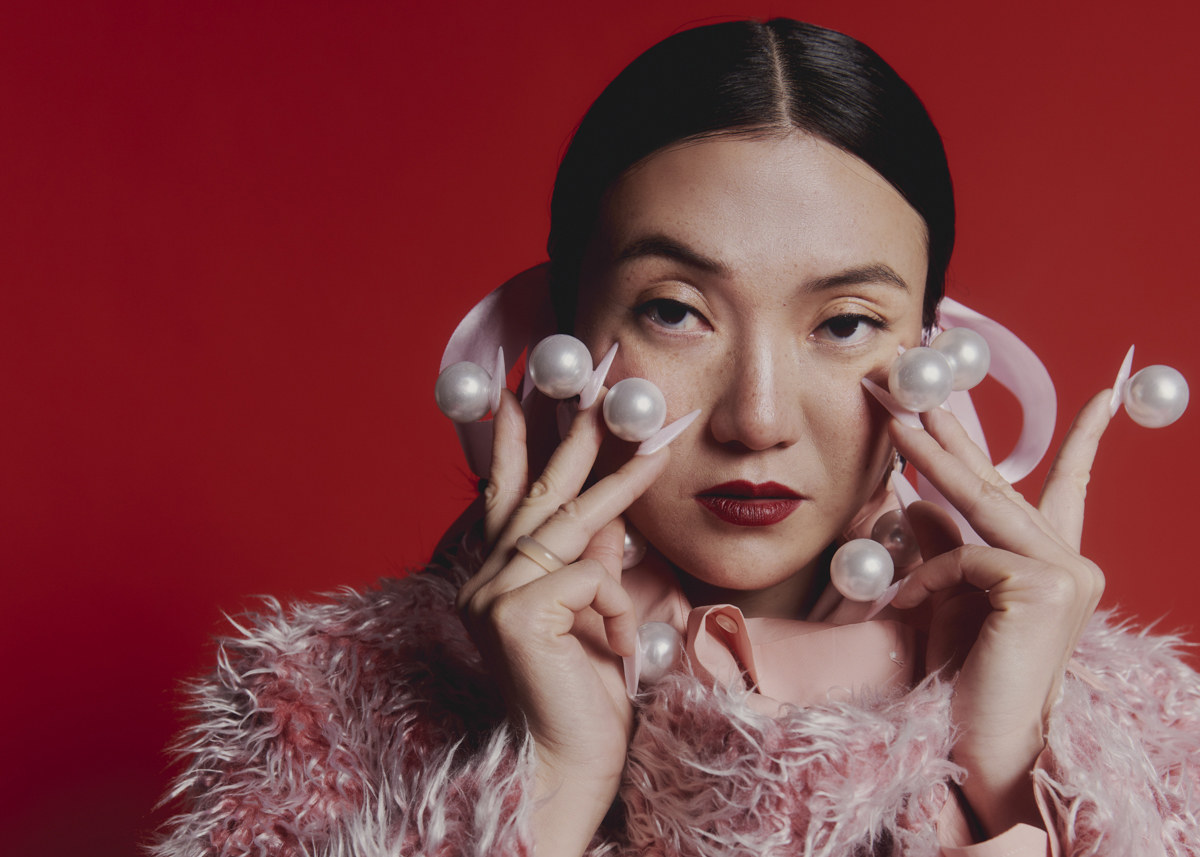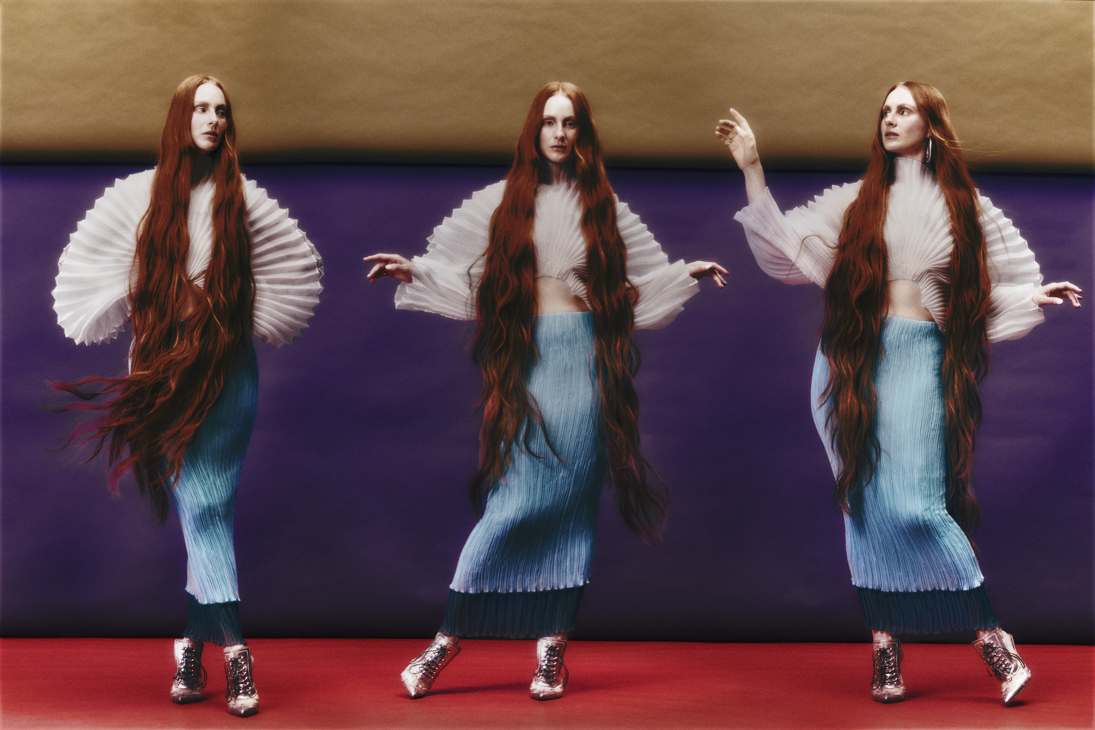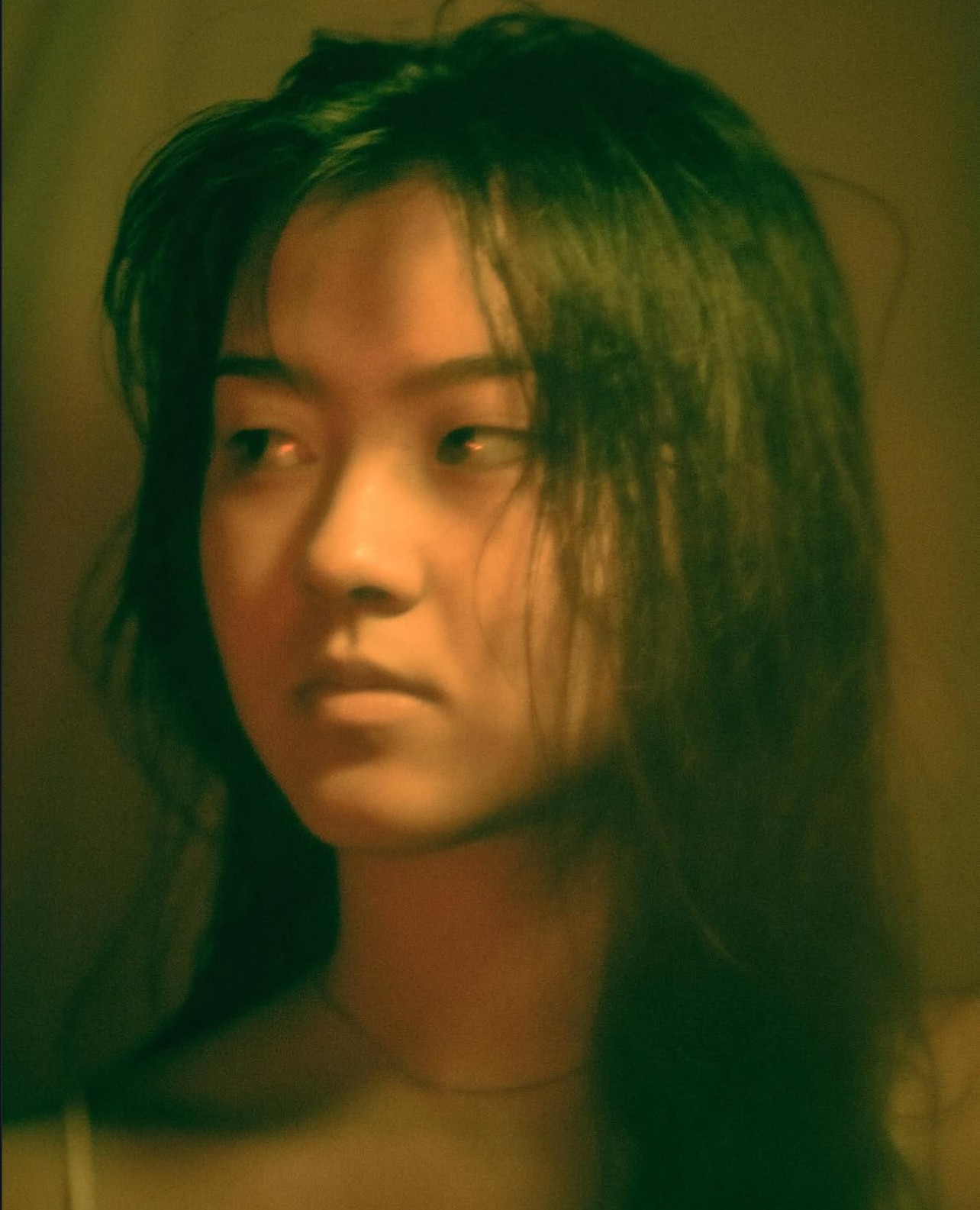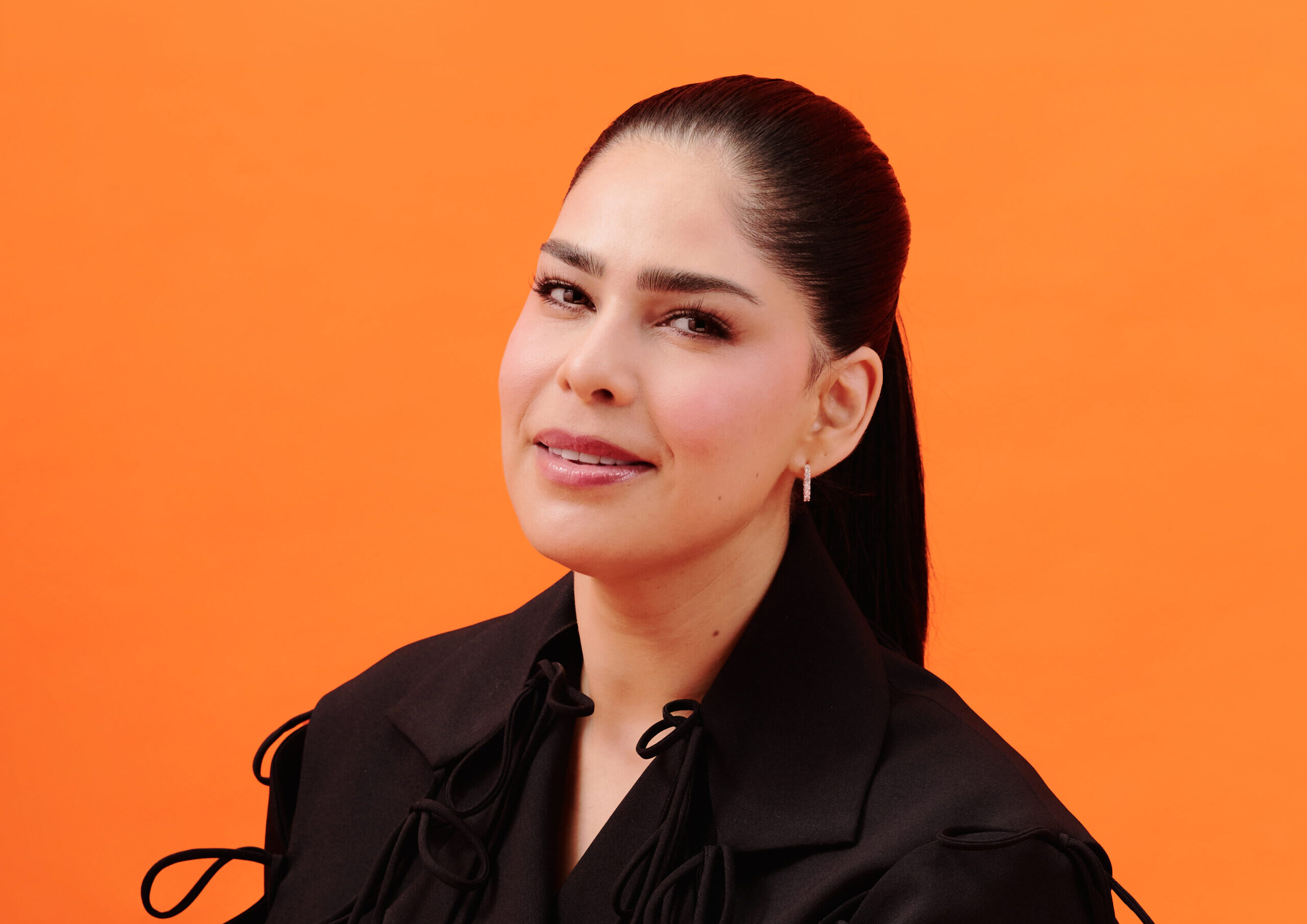
Susan Lilian stood behind a Lancôme counter at seventeen on the pretext of buying time. She has not, as best as I can determine, ever bought any. She has only spent it on the same project, which has gone by various names—counter girl, state artist, editorial artist, creative director, founder—all of which, on examination, mean the same thing: a person who has decided what she is going to do and is doing it.
As a kid, she spent her days indulging her boredoms by drawing. On weekends at church she’d be drawing with charcoal, loving how it smudged, connecting that little thrill to something important but as yet incomprehensible to her. Imagine being tuned in enough to discover your calling on the back of a hymn sheet.
The pretext of buying time led to the title of state makeup artist, then backstage at Australian Fashion Week, then editorial work for the likes of Camilla and Marc. This is what is known in the industry as paying one’s dues, although the dues are paid in fluorescent lighting and eighteen-hour days. Lilian, having paid hers, emerged with a working knowledge of every kind of face, from teenagers to octogenarians, which is more than can be said of fashion as an industry, which decrees the standard face and updates the decree only at the margins.
“I just create what I want when I want, and that’s never going to change.”

Beauty subsequently moved to the internet, but Lilian did not immediately follow. She found the idea of posting one’s own work to be a form of showing off, an instinct I respect and recognise as the cultural inheritance of an Australian upbringing; one’s psychic field is crowded by tall poppy syndrome, a filter through which confidence is transfigured into arrogance and punished accordingly, until enough self-deprecation has been performed to earn one’s way back.
To speak with Lilian is to meet someone who decided early not to negotiate her own creative personhood into something it wasn’t. The grinding calculus so many creatives are forced into—the money or the art—she faced down. Is it a false dichotomy, or a concrete reality? Lilian’s relentless curiosity obliterates the question. The pull toward her work was the tug of a colossus. On the other end of that line, the careful, conservative path. Manned by a gnome.
Her aesthetic references are, in her own words, alternative, a little dark, a little gothic, running to the cool-toned end of Australian cinema: Candy, Somersault, and to music in the register of Deftones, which she enjoys for the frisson it produces in the body. When I mentioned that not everyone gets such chills from music, she seemed sincerely surprised. I had the same reaction the day I learned not everyone broke out in near-painful gooseflesh at a key change, or a whole cinema yelling at a horror movie.


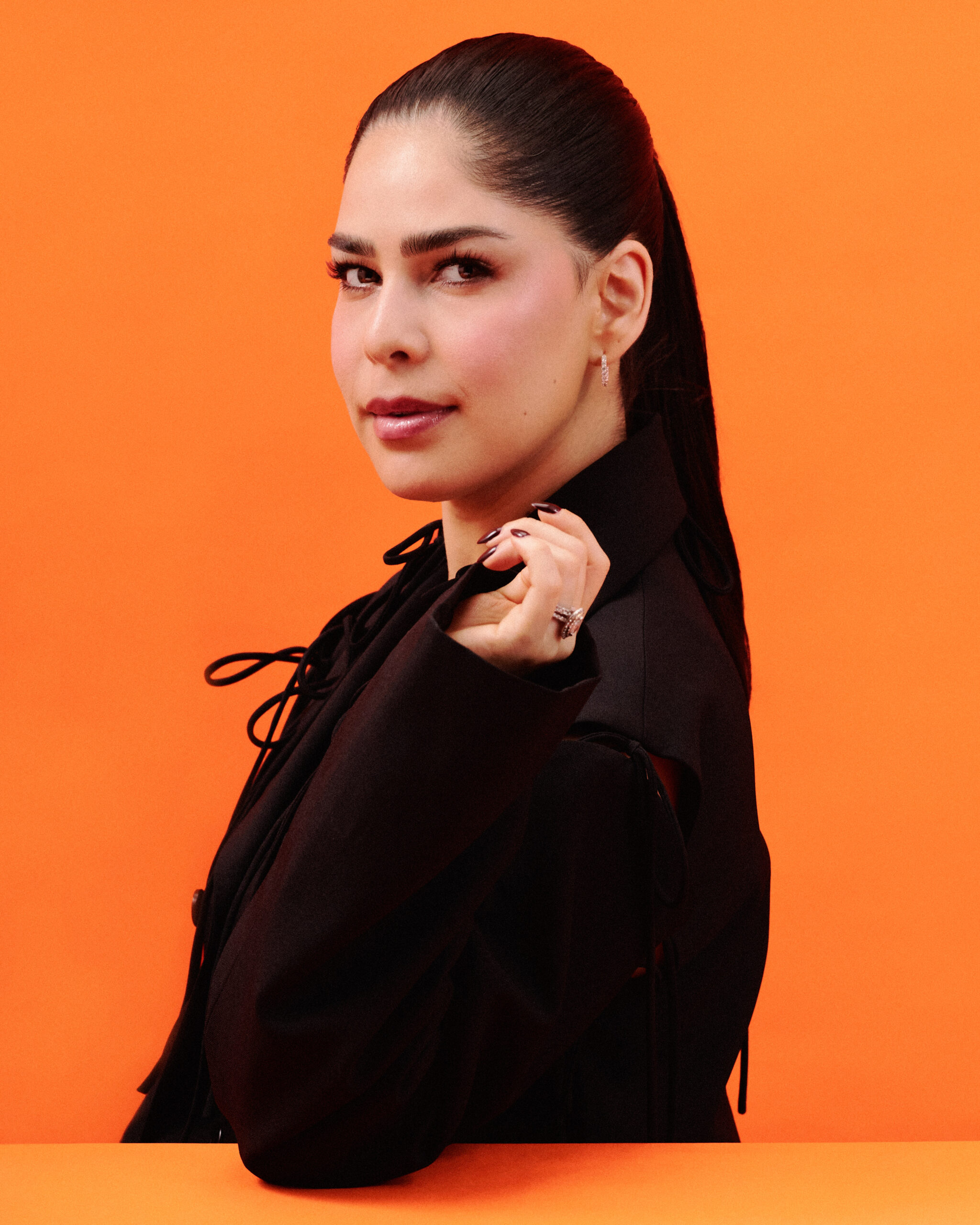
She has founded a company called Smith Kit, a line of professional-grade magnetic palettes and pans for makeup artists. It exists because Australian makeup artists have, for some time, been unable to get what their colleagues abroad take for granted. This is the sort of inconvenience most people would simply complain about, on the grounds that complaining is easier than founding a company. Lilian founded a company.
“I just create what I want when I want,” she says, “and that’s never going to change.” To be in possession of a position one has held for twenty years and intends to hold for the rest of one’s life is the kind of stability the rest of us only manage with regard to our coffee orders.

Lilian’s Instagram, she tells me, makes no sense, by which she means it does not perform the contemporary requirement of being a single coherent advertisement for a single coherent person. This is to her credit. The notion that an artist must have a brand, and that the brand must be uniform across all platforms in perpetuity, is one of the more depressing developments of the last twenty years, and it has produced a great deal of work that resembles other work and very little that feels singular. Lilian’s resembles Lilian.
Her position on cosmetic alteration is that people should be permitted to do whatever they like to their own faces. This is also the correct position. She is partial to dark under-eye circles. A face with a little weather on it is more interesting than a face without.

A face with a little weather on it is more interesting than a face without.
– Arca
DRAFT.’s Creative Heartbeat exercise (you sit down with a marker and draw something like a graph of your feelings through a project) was something Lilian liked; she found it absorbing and surprisingly intimate. She said it made her think about every step in the process, and appreciate everything in between. An unseen part of her work, she said, is the building of teams. Hundreds of artists apply to work with her each year. The question she asks is not how good they are, which is an impossibly generic metric, but whether they are the particular person for the particular job: “If you don’t have a single image of something a little bit more creative or theatrical within your scope of work, I can’t choose you for [jobs that need those qualities].” This is not, she made clear, a slight. One of the most reliable acts of artistic integrity is choosing right.

When Lilian figures the noonday spirit has been visiting her muses too often and too long, she goes somewhere. Two months before a fashion week, she booked Japan. She had not travelled in years. She booked it on a Monday and was on a plane the following Monday. There’s that colossus at work! A fair plenty of us creatoids experience a pull as tensile as that; a fair fewer book that ticket.
I asked her if there was anything more she wanted on the record. “Just keep creating whatever the hell you want,” she said. “See it as you want.”