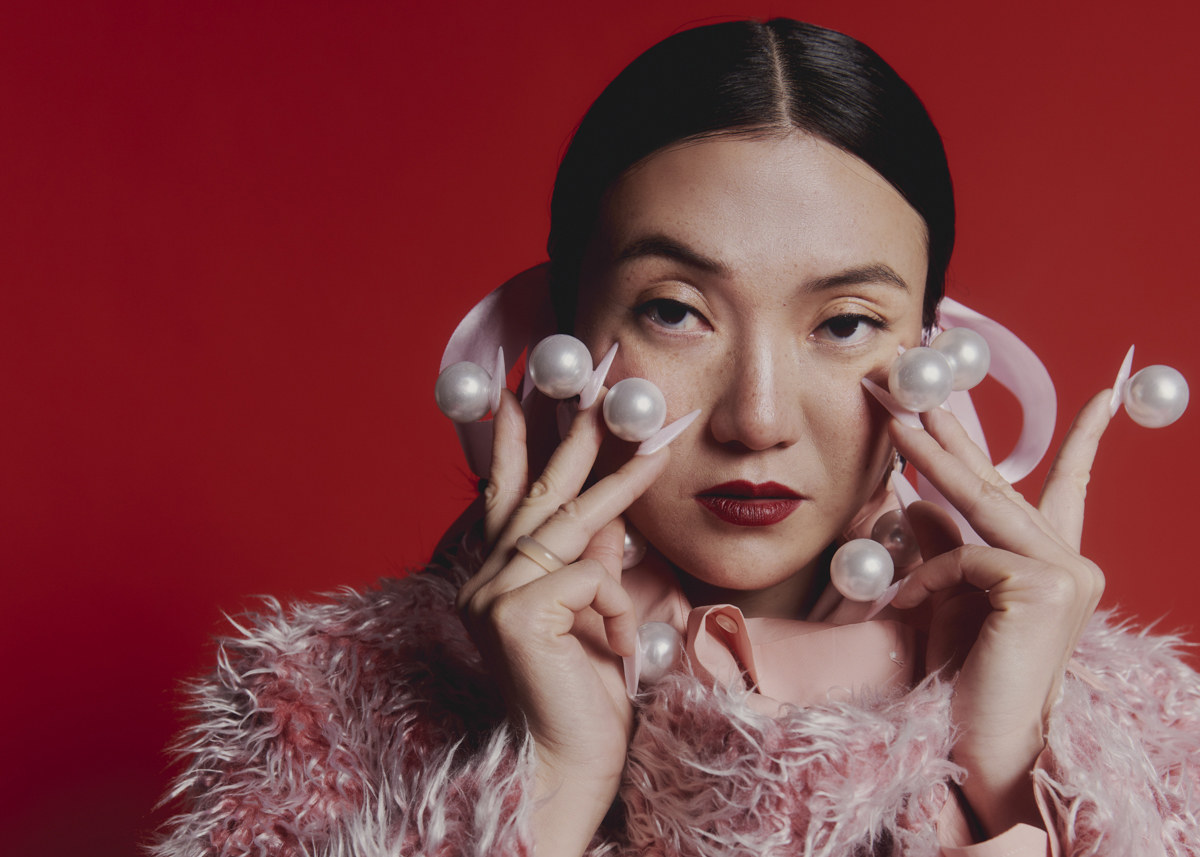
After years of turning emotion into melody, Matthew Ifield is decidedly less interested in writing songs people can simply throw on in the background. Instead, he’s far more invested in creating music that asks something deeper of its listener. “The world has too many simple love songs,” he says plainly. “It should be focused more on very specific concepts and ideas.”
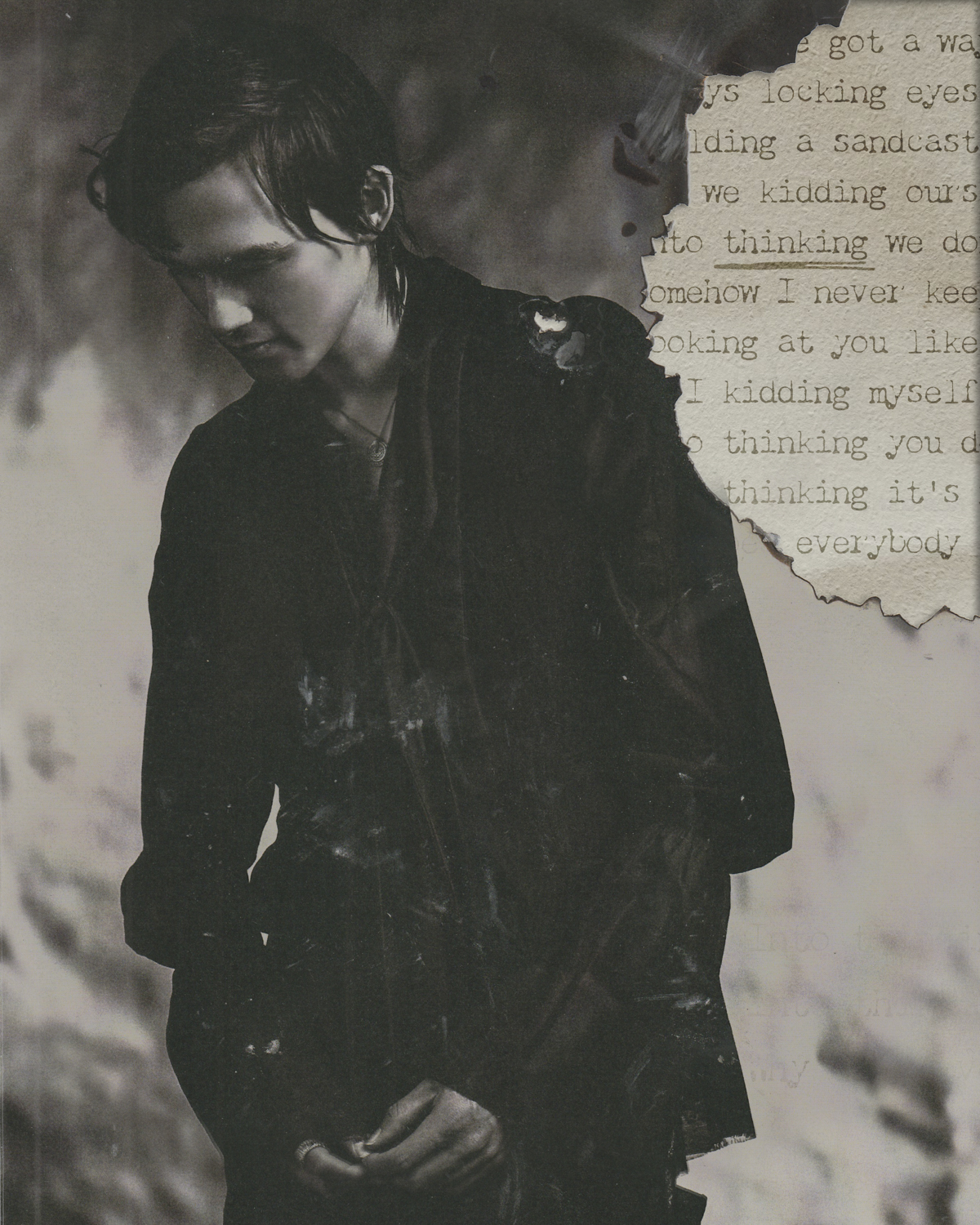
Fresh off performing at The Great Escape during his first “proper” trip to the UK and about to embark on his Close To Your Heart Tour, Ifield speaks with the quiet thoughtfulness of someone becoming increasingly aware of what he wants his art to do emotionally as much as sonically. The shift is especially evident in his newest release ‘Thinking’, an intimate release that trades polished simplicity for emotional precision. “The night before releasing, I remember being pretty nervous,” he admits. “What the song was about was pretty difficult to listen to casually.”
For an artist whose work often floats through softer romantic territory, ‘Thinking’ feels like a conscious decision to stop sanding down the edges of complicated feelings. Inspired by artists like Dijon, Frank Ocean and Daniel Caesar (goals, tbh), Matthew has become increasingly fascinated by music that carries emotion without overstating itself. “There’s so much emotion in it without being labelled as an emotional song,” he says while discussing Dijon’s work.
That fascination with emotional subtlety extends beyond the studio and into the way Matthew thinks about live performance itself. Reflecting on his recent experiences with the UK music scene, he describes tightly packed crowds at The Great Escape where audiences felt completely immersed in the energy of the music and each other. “Everyone was so close together and they were all just really having fun,” he recalls. “I would feel it in my entire body.”
“I’m really focused on making my shows feel like they’re more of a conversation with the audience. Like one-on-one with each person in the audience rather than me doing this big mass announcement to people. I’d rather not do that. I’d rather actually focus on human connection… That’s really important to me, especially nowadays.”
“I’d rather actually focus on human connection… That’s really important to me, especially nowadays.”
– Matthew Ifield
The emphasis on connection feels especially poignant in a cultural moment where emotion is increasingly flattened into content. “We need it now more than ever,” Matthew says. “Now with social media… all emotion is removed from any experience.”
In many ways, his songwriting feels like a direct response to that emotional numbness. Ifield repeatedly describes music as a form of therapy, less a performance than a process of uncovering things he struggles to articulate elsewhere. “The new music has helped me express more of what I feel to my loved ones around me,” he says. “Who sometimes tell me that I’m too reserved.”
“I guess music is a form of therapy for me,” he continues. “I actually learn a lot about myself when I’m writing my own music, because subconsciously I do write about things that I’m worried about or that I’m excited about. Just my own emotions that I’m not aware of without writing music.”
Interestingly, Matthew says vulnerability itself often becomes the catalyst for creativity rather than the thing blocking it. “When I’m feeling my most vulnerable, that’s when I think it’s a good time to write a song,” he says, before adding, “Maybe just don’t put it out yet.”
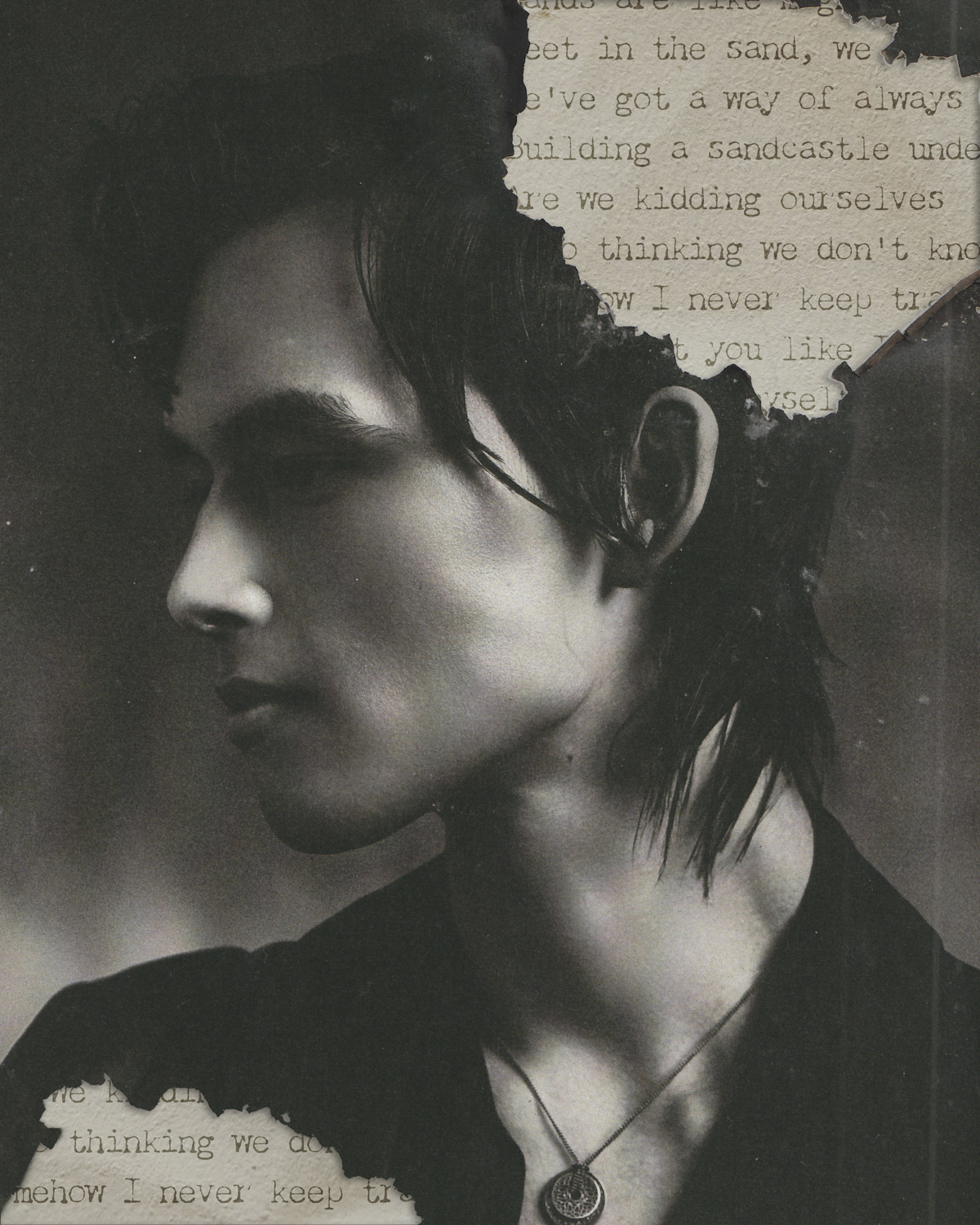
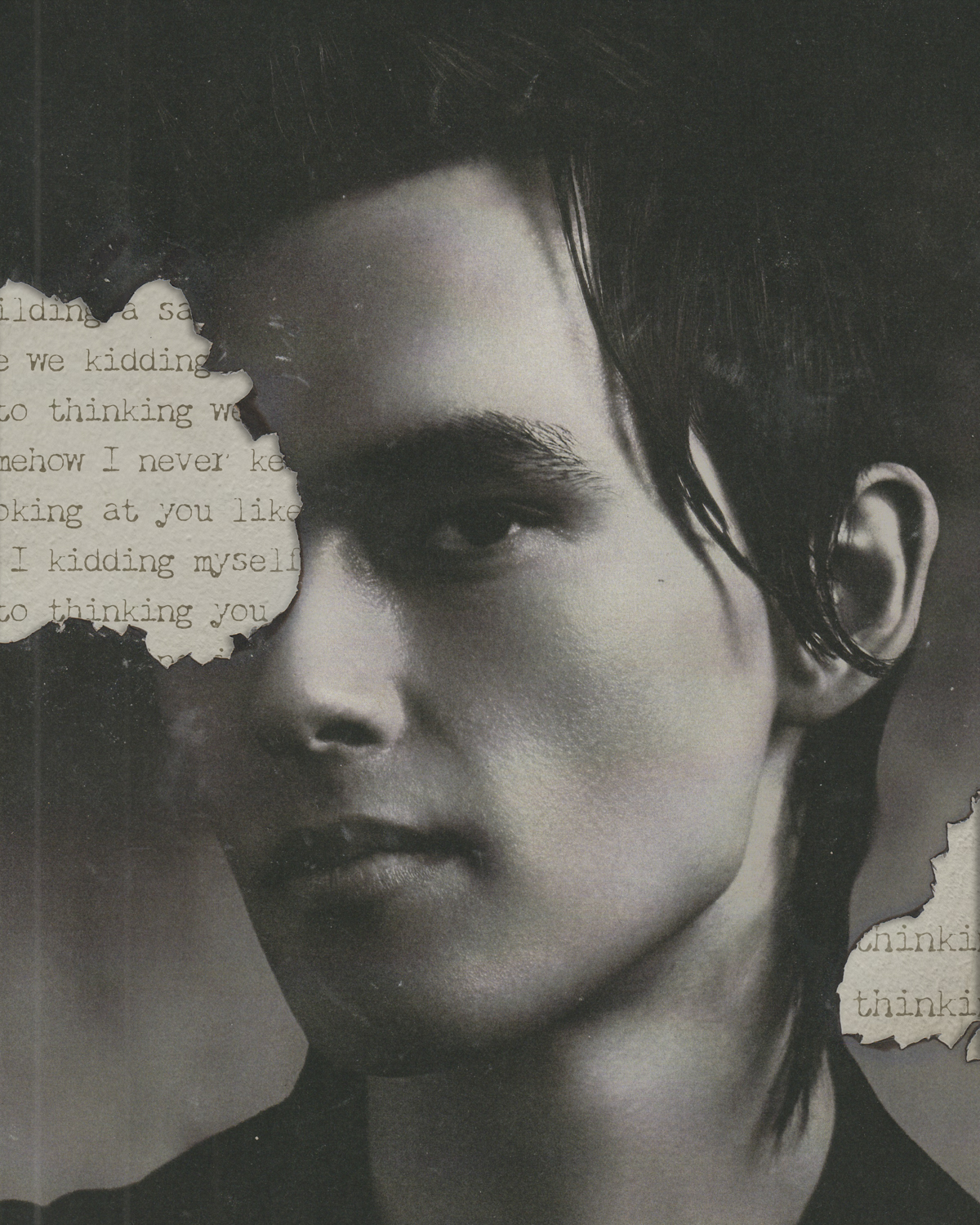
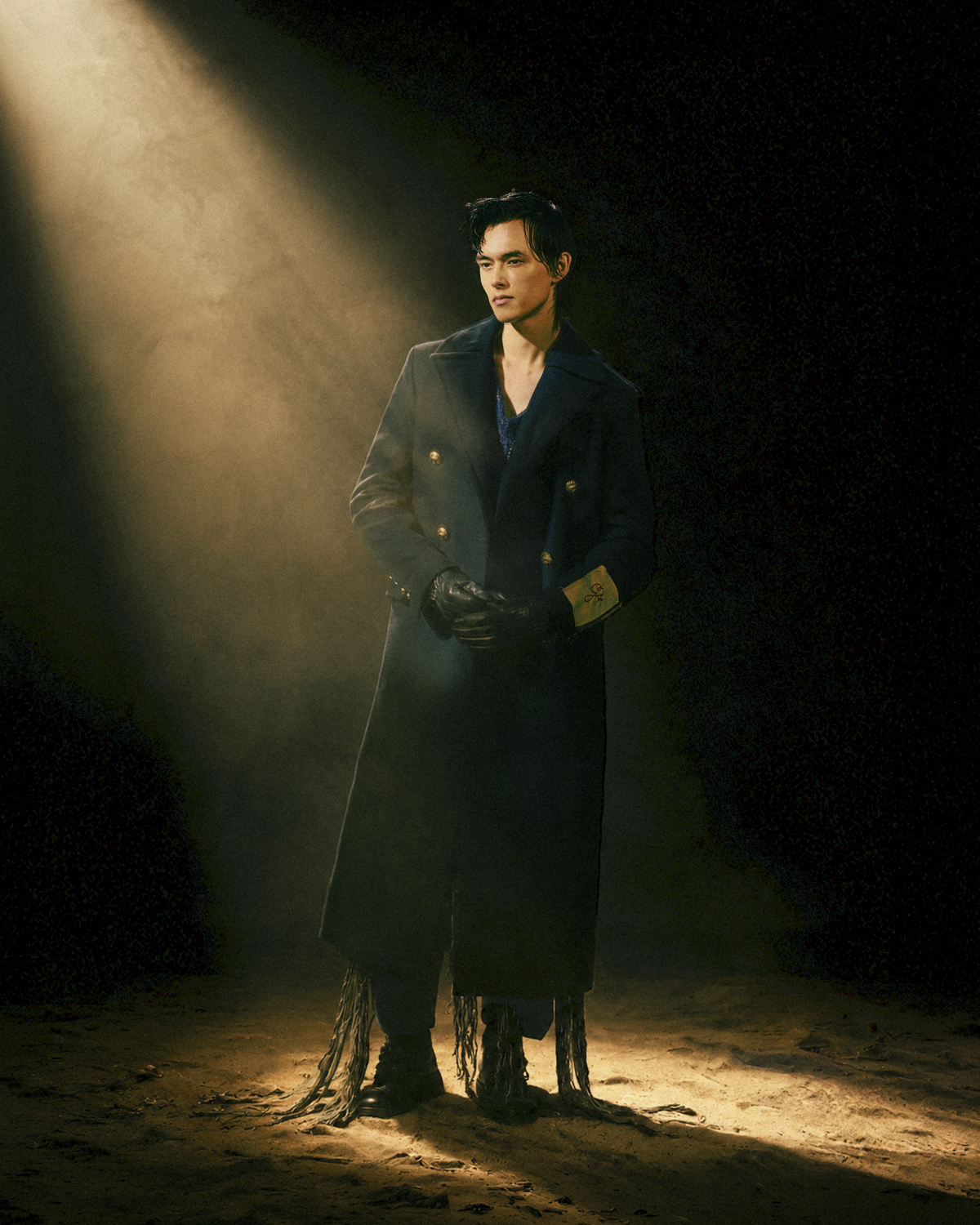

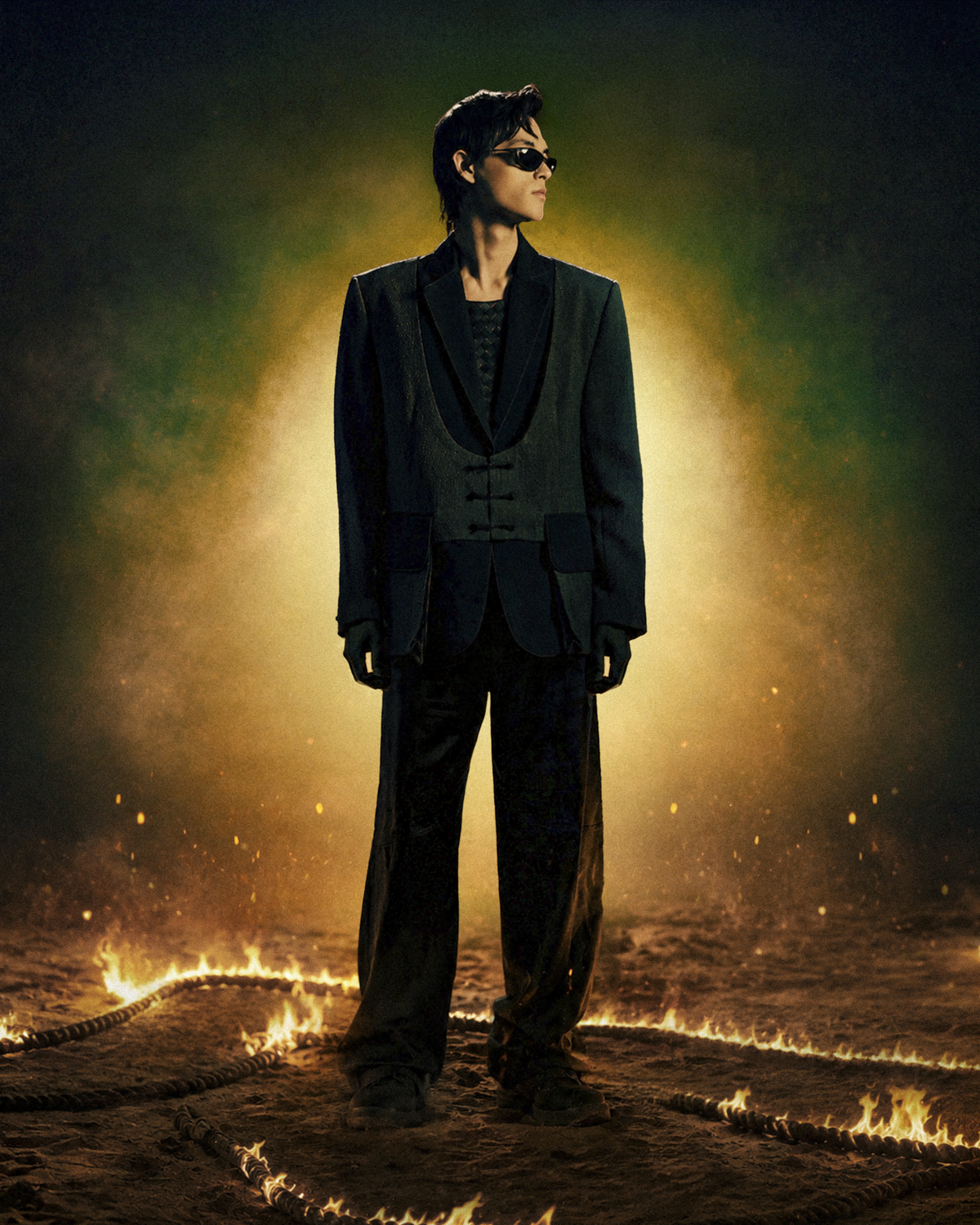
That openness also extends beyond Matthew’s music into the visual world surrounding it. Before pursuing songwriting professionally, he originally imagined himself working in film. “Before I wanted to be a musician, I actually wanted to be in the film industry… When I was writing ‘Thinking’, I was actually really focused on creating an image in my mind,” he explains.
Even while collaborating with directors, he’s heavily involved in conceptualising visual references and emotional framing. Speaking about working alongside director Kenji Chong for the ‘Thinking’ music video, Matthew says “any sort of creative shots that I wanted to try out, I let him know and then we could figure it out actually in the film.”
“I would love to direct something,” he says. “Eventually I would like to direct my own music video.”
Matthew’s earliest pathway into live performance also came through storytelling rather than traditional musicianship. At just twelve years old, he landed the role of Mufasa in a school production of The Lion King and discovered his love of music almost accidentally in the process. “I kept practising it in the shower all the time,” he laughs, recalling rehearsing the iconic track ‘They Live In You’.
“It just was an amazing experience to be on stage in front of an audience. It’s the little things like that. You end up discovering more about yourself.”
“When I’m feeling my most vulnerable, that’s when I think it’s a good time to write a song… Maybe just don’t put it out yet.”
– Matthew Ifield
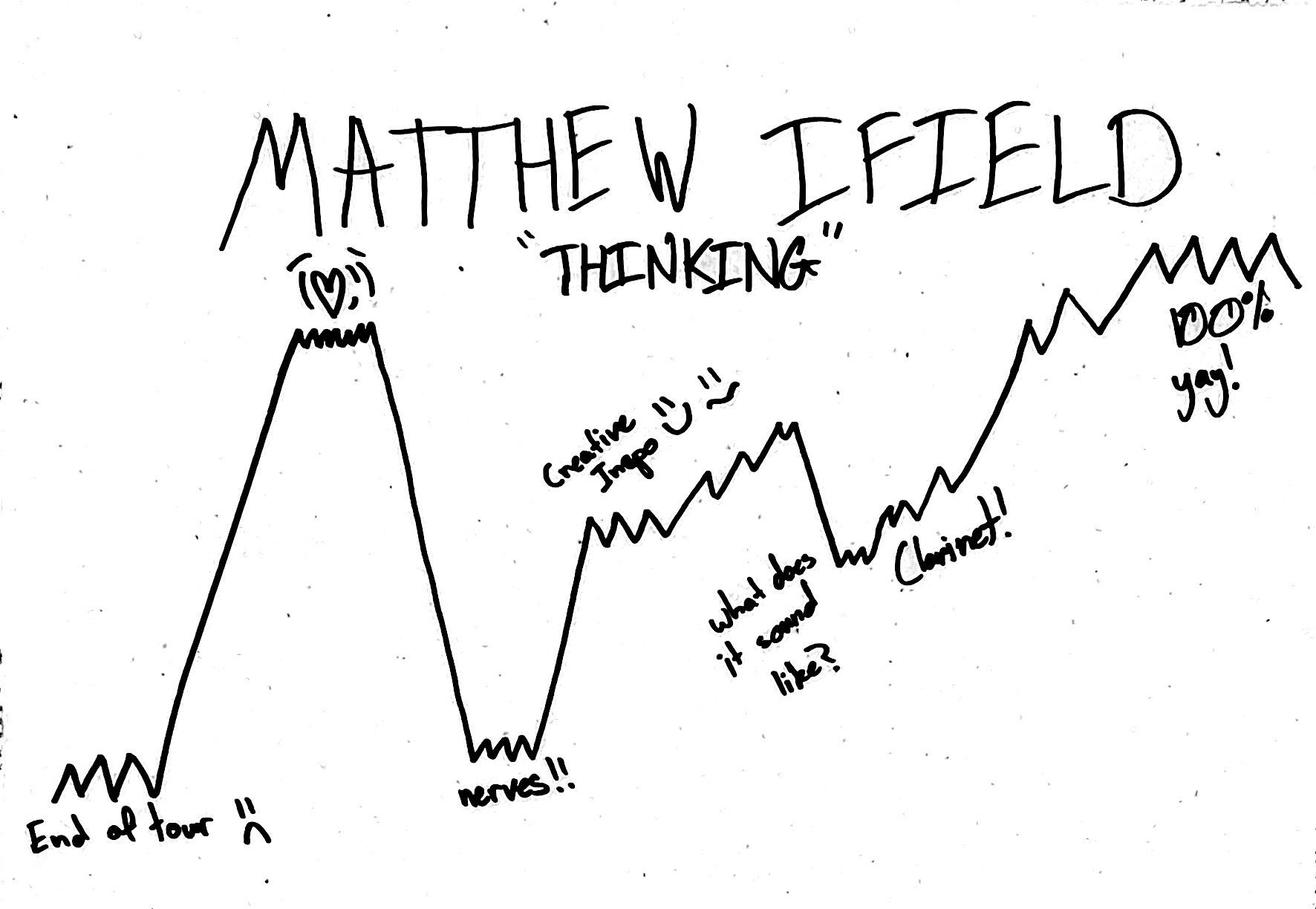
What makes Matthew’s current evolution markedly unique however, is the restraint underpinning his newest work. There’s no desire to overwhelm listeners with unnecessary noise or emotional excess. In fact, he actively pushes against it. “They love the intentional aspect of the song,” he says of his fans’ reactions to ‘Thinking’. “I’m not trying to make the song super noisy or anything like that for no reason.”
That restraint feels increasingly radical in a landscape that often rewards immediacy and oversharing. Matthew instead seems drawn toward specificity, atmosphere and emotional patience. “People’s understanding of love changes every day as they get older,” he reflects. “As I get older my understanding of love changes and therefore my perception of music changes at the same time.”
And perhaps that’s why one of our conversation’s most offhand comments ultimately lands as the most relatable. Reflecting on growth, experimentation and the awkwardness that inevitably comes with creating art publicly, Matthew shrugs off the fear of embarrassment entirely:
“To be cringe is to be free.”