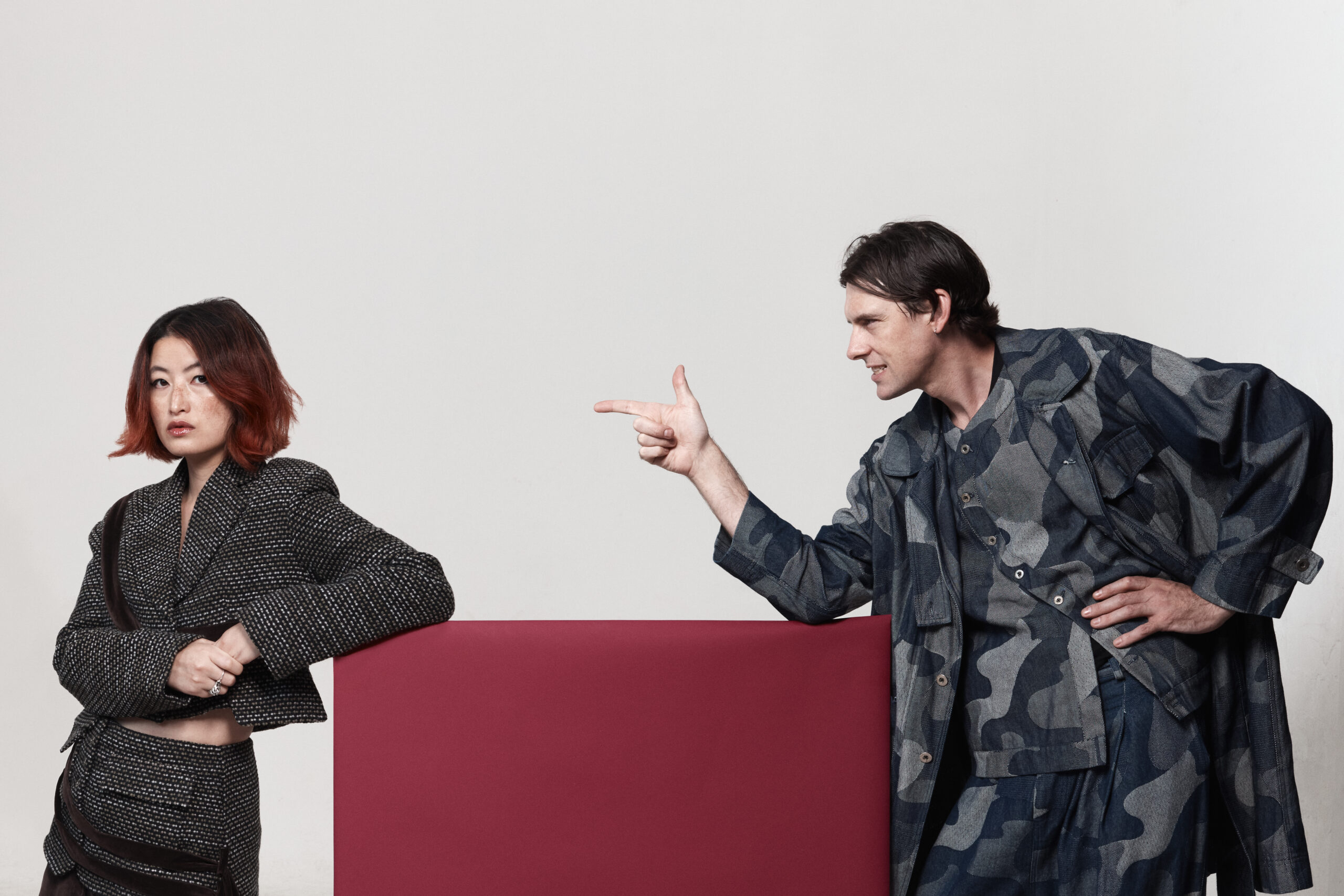
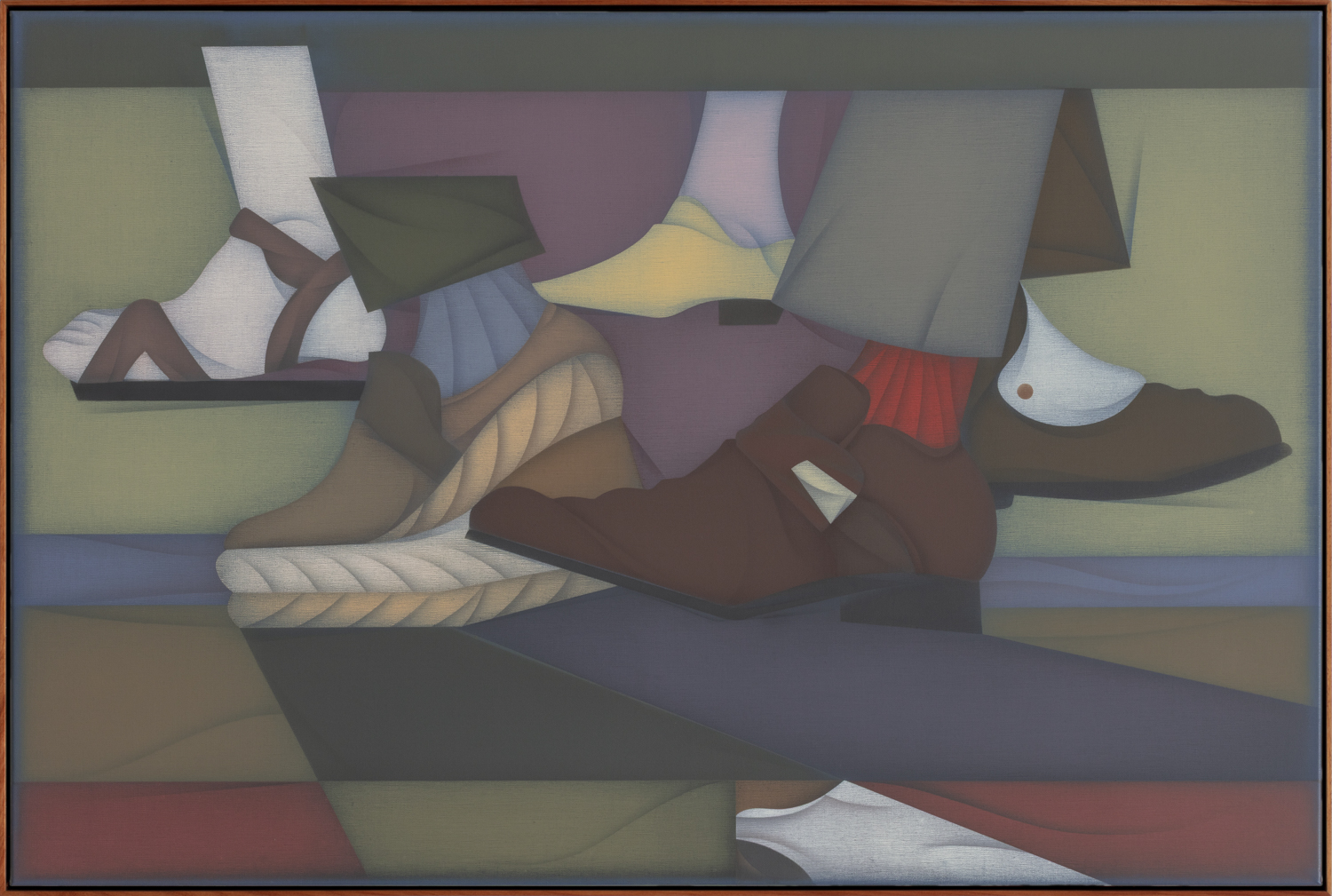
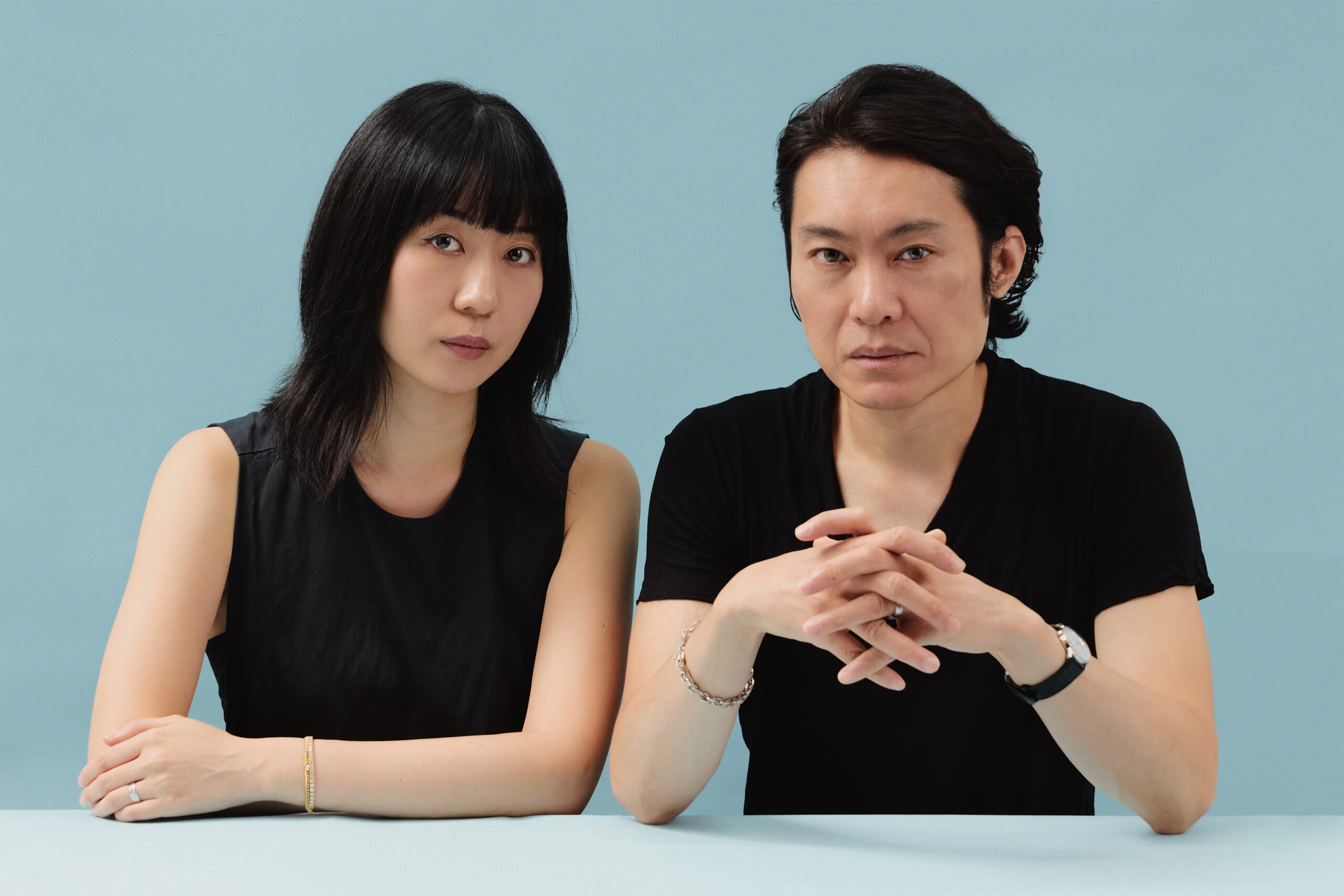
Aspirational branding was the furthest thing from Gene Leung’s mind when he launched INJURY in 2004. He was joined by co-creator Dan Tse in 2009; they are makers of everything. They design clothes, digital films, music, AR experiences and the occasional universe. Calling it a fashion brand is accurate like calling a city a collection of buildings is accurate. Technically true, categorically wrong.
Every Project A Universe
“I think of fashion more like a film.”
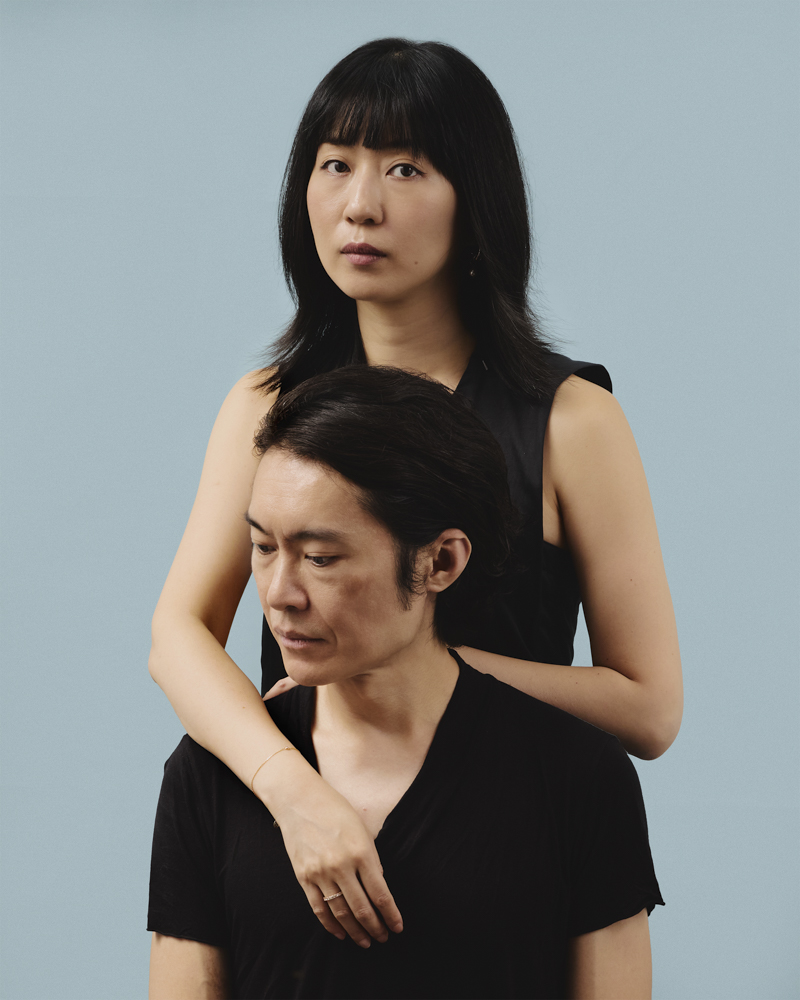
Gene resists being called a fashion designer. “My real passion is not really doing pattern making and sewing,” he says. “I think of fashion more like a film.” He means this literally. Every INJURY project starts with world-building. In 2021 they produced The Butterfly’s Dream, the first entirely CGI fashion show ever made in Australia.
The practicum of this design approach is Gene applying his half decade of architectural study to systems of creation outside the profession. After he graduated, he worked at two firms and spent every day at both of them thinking beyond the buildings. He wanted to create worlds containing music, film, character design, and fashion all at once; a single discipline in the face of that desire seemed nonsensical. So he left, and started making t-shirts. “I have to go back to the really really small thing,” he says, and laughs about it now.
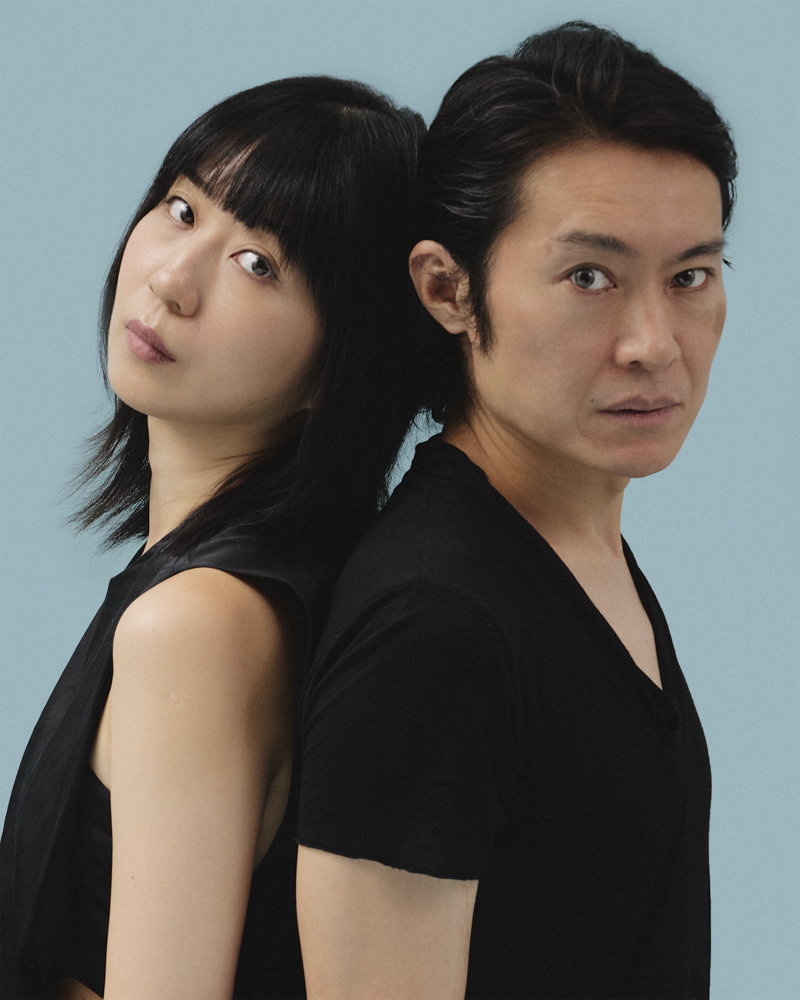
Dan’s path was a little tidier, like the hands of fate had arranged it. She knew she’d be a fashion designer when she was eight years old. “I always wanted a shop as well,” she says, “so I’m actually doing exactly what I wanted to do.” She’s from Hong Kong, like Gene, and when she joined INJURY she launched the womenswear line and expanded the business into North Asia. Asked what eight-year-old Dan would think of her now: “Quite happy. But I want to achieve even more.”
HAYMARKET 2050: Digital Dreaming in Chinatown
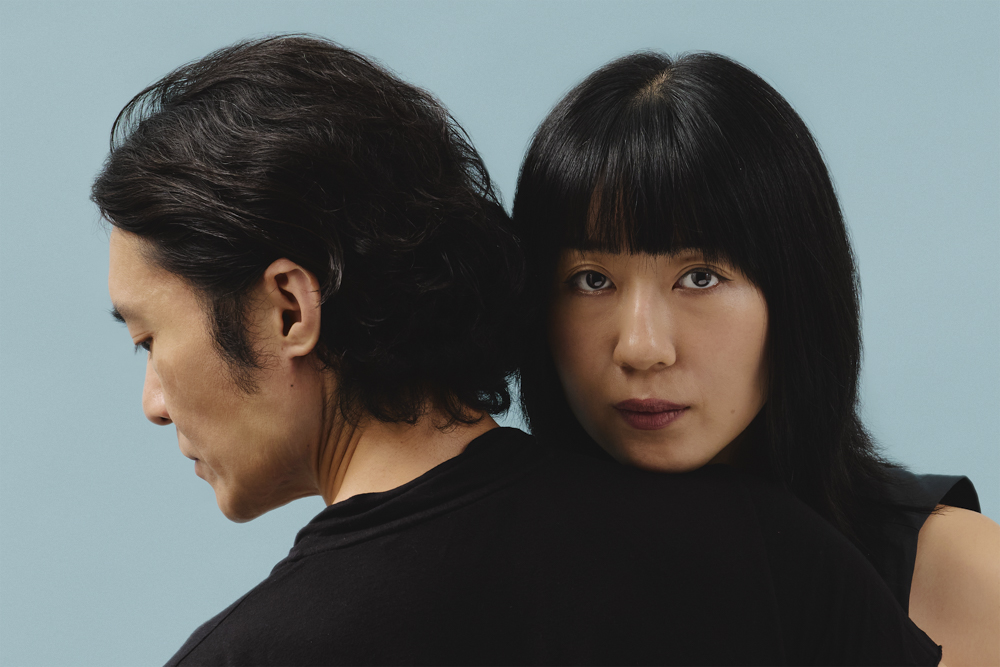
INJURY’s latest world is Haymarket 2050, commissioned by 4A Centre for Contemporary Asian Art: an augmented reality experience, the living history of Sydney’s Chinatown. Gene and Dan canvassed the public, talking to anyone with a connection to the area: business owners, multi-generational restaurant families, young people, elders. What do you miss about the old Haymarket? What do you want to keep? What do you see coming? Every answer procedurally generated the project. “They commissioned us as digital artists to offer our vision of the future of Haymarket,” Dan says.
A man who carried the Olympic torch at the Sydney 2000 games told them about his decades running businesses in Chinatown. A woman whose grandfather founded one of Hong Kong’s most iconic department stores, a household name on the scale of Myer, told them it had actually started as a fruit shop in Sydney. They discovered an entire economic lineage, made visible by the kind of historical storytelling that can only come from its living source: people.
The finished work is an AR-triggered digital film scattered across five sites in the neighbourhood, a gallery exhibition at 4A Lab, and a physical collectible earned by completing the full walking route. Amble through Chinatown with your phone, point it at certain spots, and watch the past and the future materialise.
Synthetic Ancestry, Tokyo
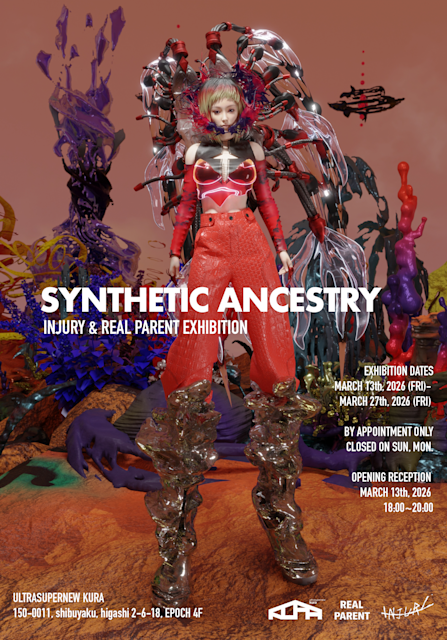
While Haymarket 2050 runs in Sydney, INJURY is simultaneously making its Tokyo debut. Synthetic Ancestry, showing at UltraSuperNew KURA through late March, is a collaboration with fellow collective Real Parent, marking both studios’ first exhibition in Japan. The Sydney project is an exercise in temporal archaeology; Synthetic Ancestry is an odyssey into AI consciousness and posthuman speculation. The exhibition is virtual and physical: 4K digital realms, 3D-printed metal, chrome plated resin. They call these objects contemporary talismans, things that exist as both digital souls and physical artefacts. At its centre is the INTERHUMANA series: three hearts. A transparent brain-heart for wisdom, a black heart for synthetic AI consciousness, a red heart for human emotion.
The Creative Heartbeat
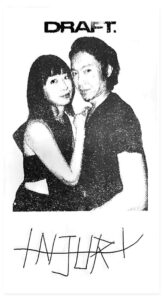
When Gene and Dan sat down to do DRAFT. Magazine’s Creative Heartbeat, tracing the emotional shape of their creative process in real time, they produced two completely different trajectories. Gene’s is a winding path between two suns, looping through stages he labels Inspiration Possibilities, Creation Becoming Analysing, and Decision Making Stage, Trying to Confirm the Right Path. It spirals, doubles back, orbits. He admits it captured something he usually prefers not to examine: the paranoia and anxiety that shadow every project. “Over the years, I’ve always gone through a very similar process,” he says. “Sometimes it’s better, sometimes it’s worse.”
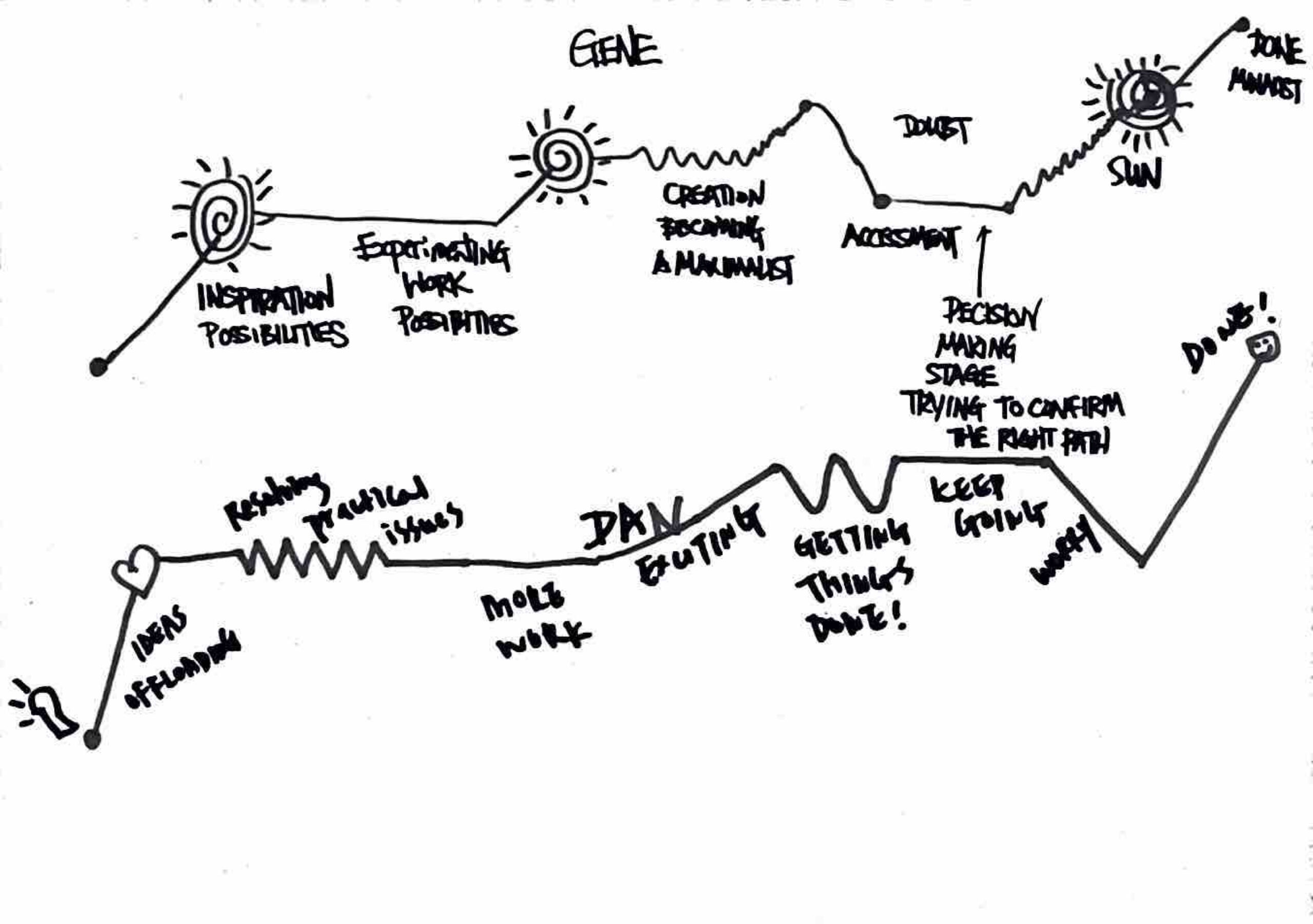
Dan’s is a zigzag. Sharp peaks, sharp drops, cutting straight from Ideas Overflowing through Resolving Practical Issues and More Work to Done with a smiley face. She describes herself as dependent on gut feeling, and found the forced analysis useful; a way to check whether the work had wandered from where it started. “Sometimes it goes on a different pathway,” she says.
“I’m very visual, super visual,” Dan says. She dreams actual INJURY designs in her sleep, accessories, fully formed, and brings them into the waking world. Gene composes music by seeing it first. They meet in the middle with INJURY, which benefits from both instincts: Dan’s directness and Gene’s sprawl.
A Cultural Community
“We want to slowly build a cultural community”
People “don’t really meet us at all,” Gene says. “They just see the work on the runway or in other people’s store.” Gene and Dan wanted a space where people could experience the full scope of what they do: clothing, art, music, community. “Creatives should be universal in terms of how they build things,” Gene says. Their newest venture, IN/EX, is that proof of concept: a shop and gallery in Sydney, where you can engage with the displayed work sensorially, and talk to the people who made it. “We want to slowly build a cultural community,” Dan says.
And Why INJURY?
In the studio where I’m chatting with the two of them, a smiling Gene holds up his MIDI controller, the rubber peeling away in his hands, and cheerfully declares that the company that made it is gone. There’s nobody to even complain to. “If you can overcome adversity, you can endure. If you survive something you become the better version.”