After wrapping a particularly grueling (but fab!) fashion week schedule, I was convinced that nothing much else about a runway could surprise me…
Boy, was I wrong.
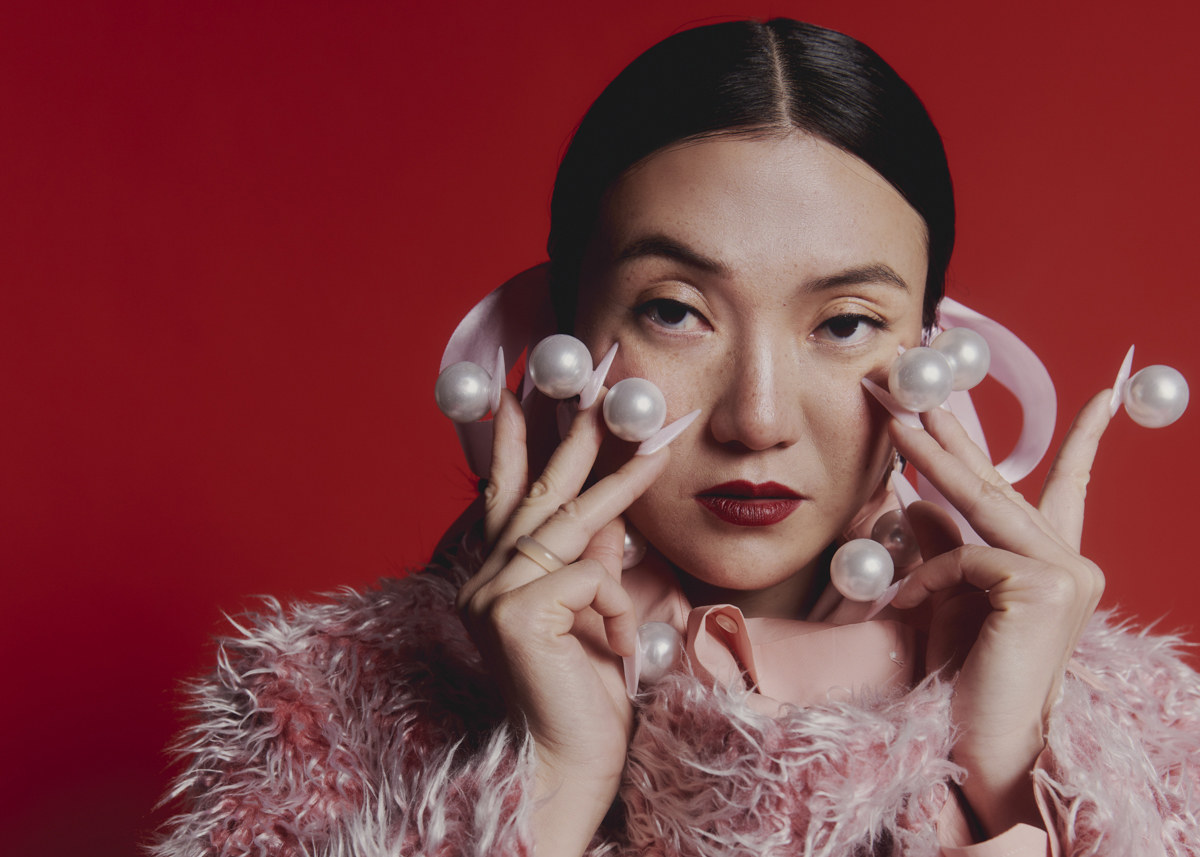
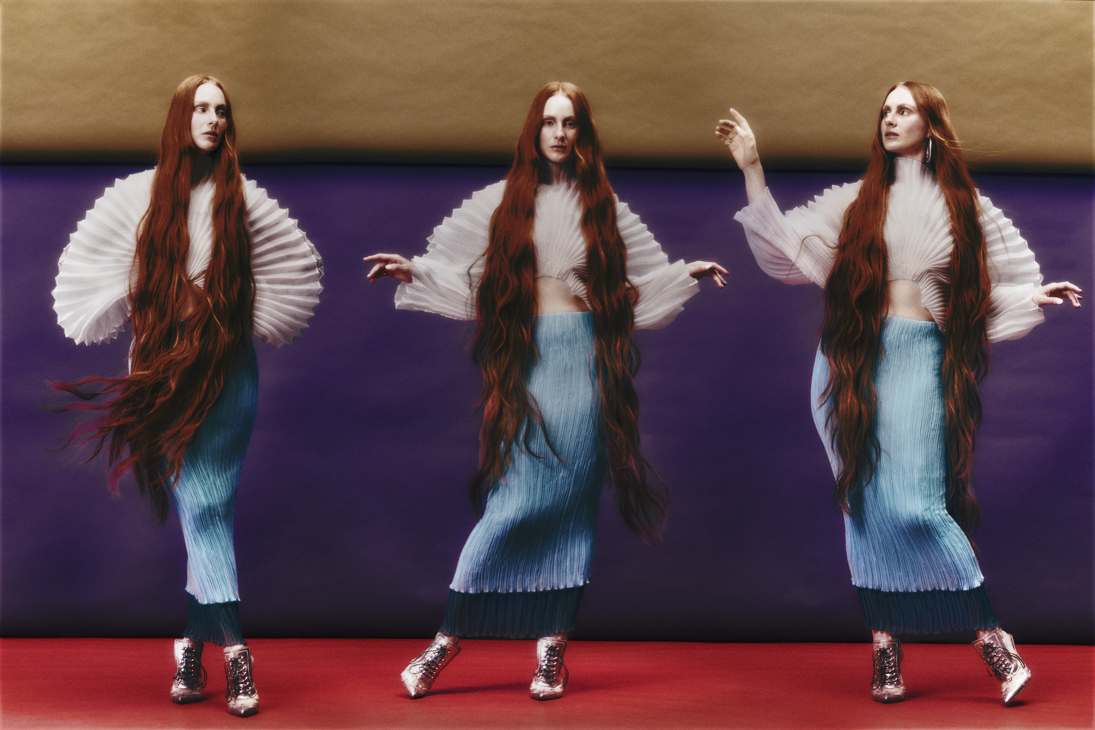
Enter: Doré. The fashion-turned theatre production spectacular from Sydney designer Paris Jade Burrows. Designed to transport its audience through the nine concentric layers of hell and back, it sounds almost painful to describe a show in this way. And at some points it was, as strong themes and acts sent ripples of unease through the crowd. Doré was far more than a downward spiral through limbo, lust, gluttony, greed, wrath, heresy, violence, fraud and treachery: it was a tour through the darkest parts of the human psyche shrouded in gothic beauty.
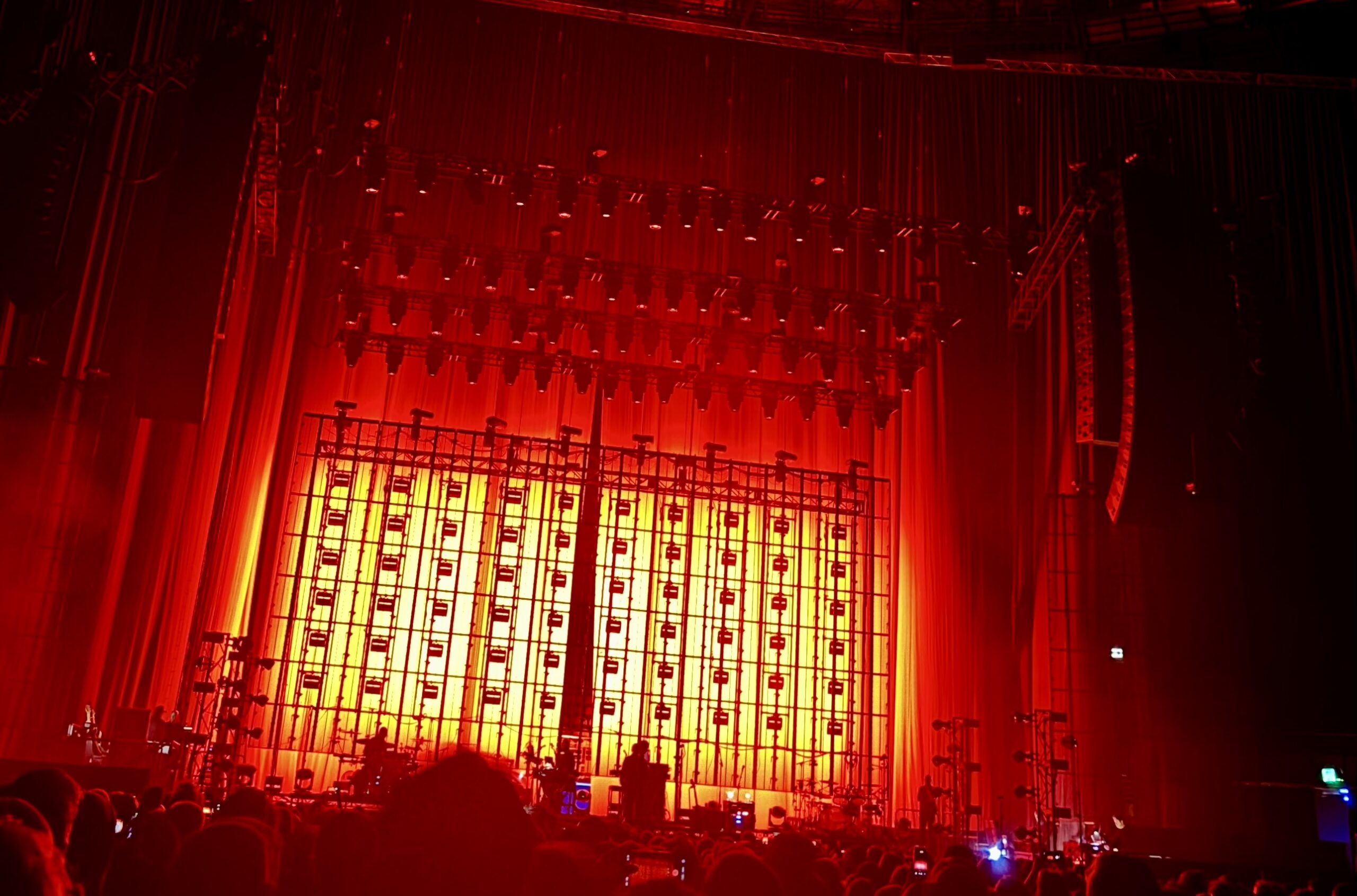
Stepping into the well-loved industrial space of Marrickville’s Mothership Studios, there was a sense that this was no conventional runway. Laid out in a circular configuration, the venue felt built for ritual. I had previewed some of Paris’s garments earlier in the week at the Australian Fashion Week x Create NSW Frontier Showcase and assumed I had an understanding of the visual language already. Little did I know I was about to receive a lesson on how delivery can alter the impact of design. Director Samuel Lucas Allen’s welcome and warning to guests set the tone for what was to follow as the lights dimmed and the cast of actors and models took their positions.
It was impossible to look away, albeit for the moments when you couldn’t bear to watch.
– Clare Neal
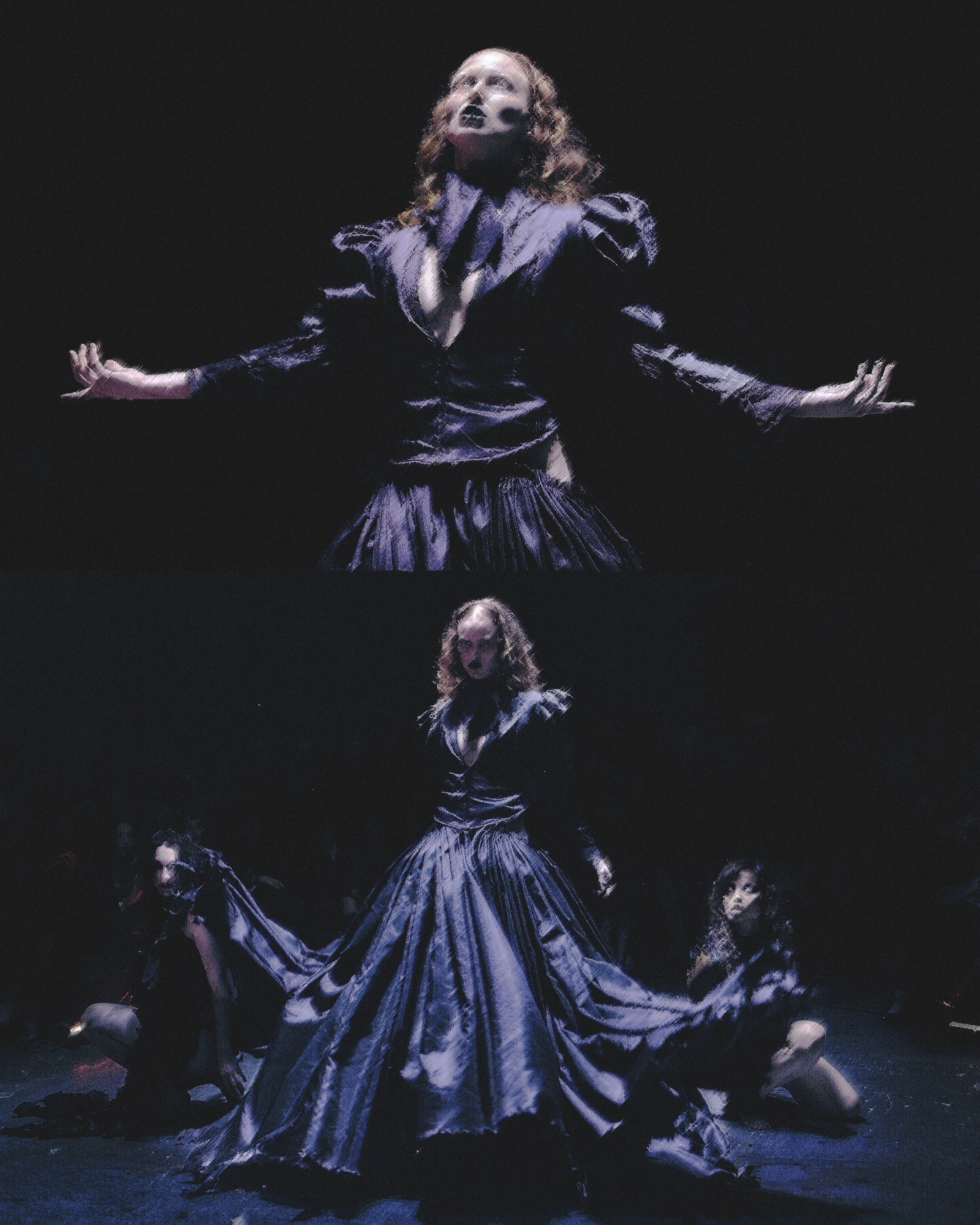
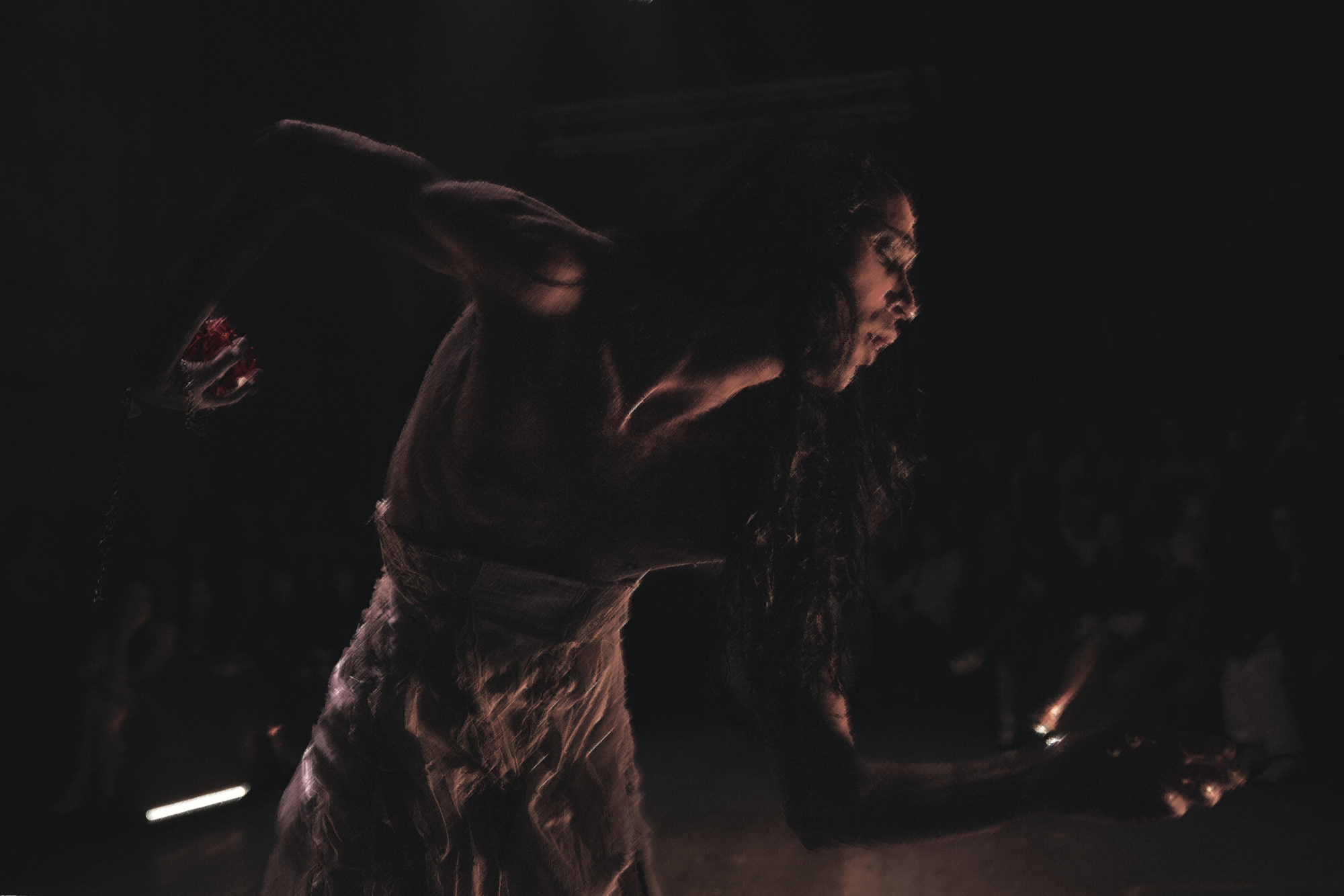
Doré abandoned the walking mechanics of a traditional runway entirely. Instead, models drifted, convulsed and lurked around the ring of the room. Bodies became symbols and garments doubled as armour for emotional states too ugly or complicated to articulate in words alone. Every detail, from the pacing to the thunderous soundtrack to the lighting, felt engineered to trap the audience inside an atmosphere of mounting dread.
It was impossible to look away, albeit for the moments when you couldn’t bear to watch.
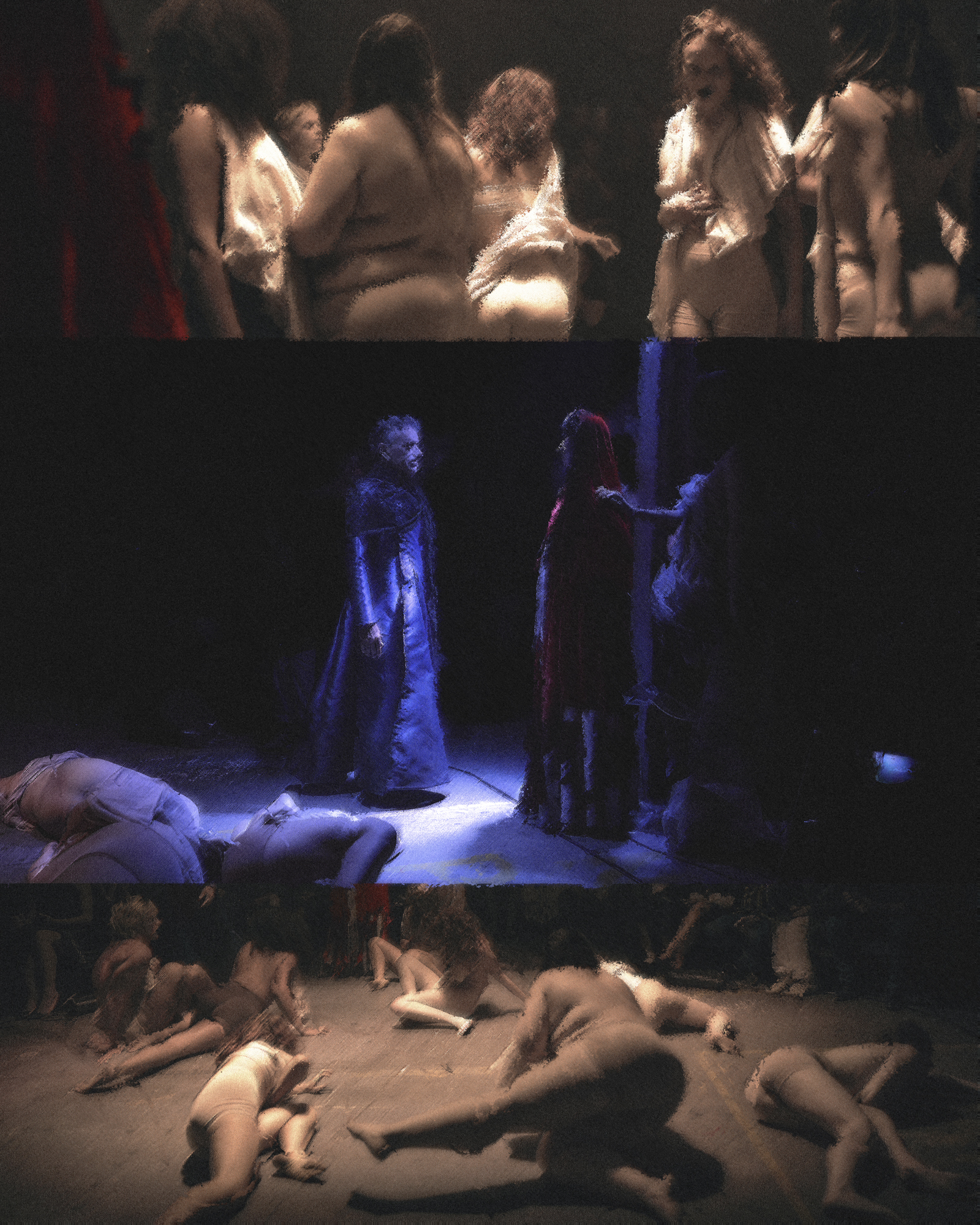
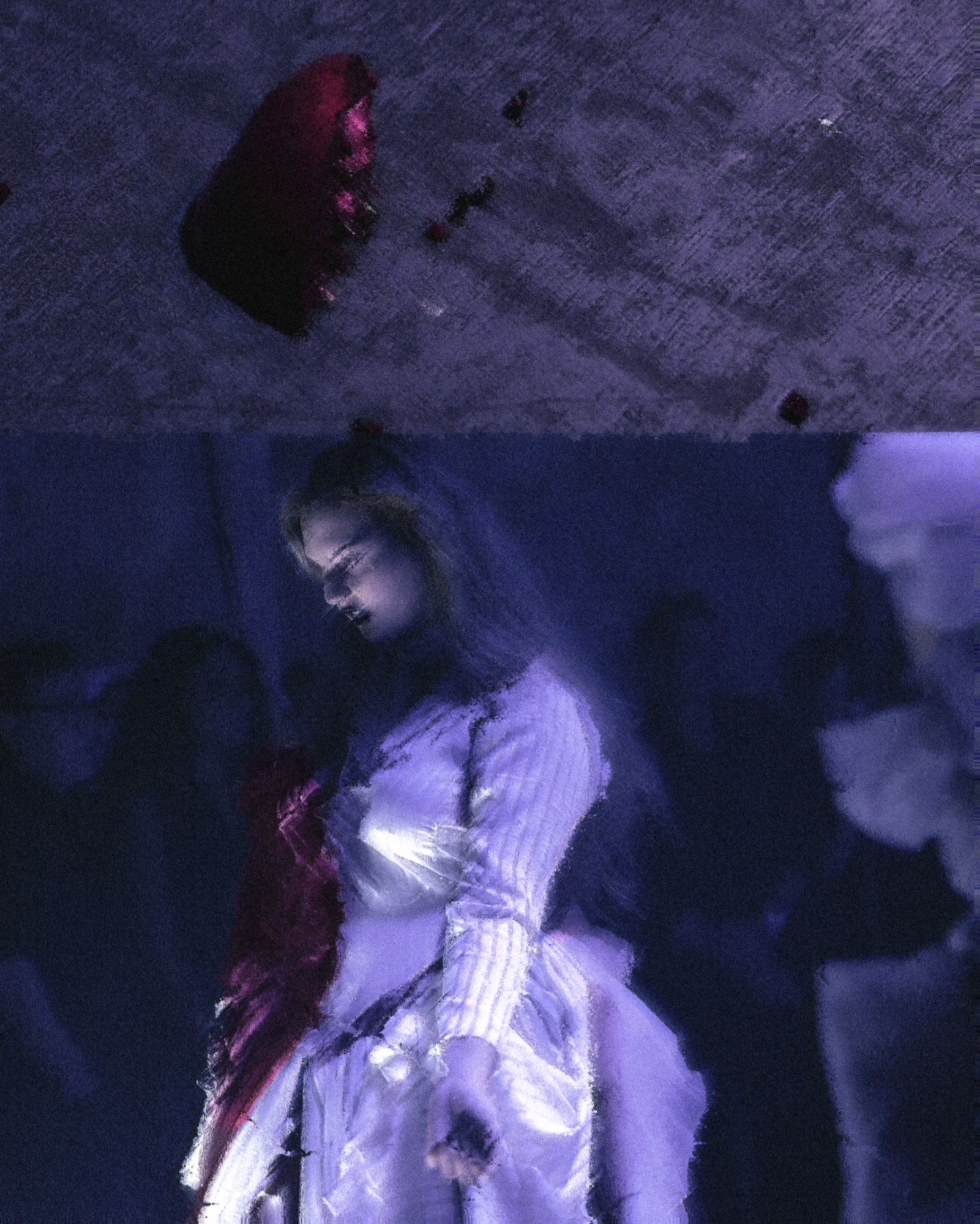
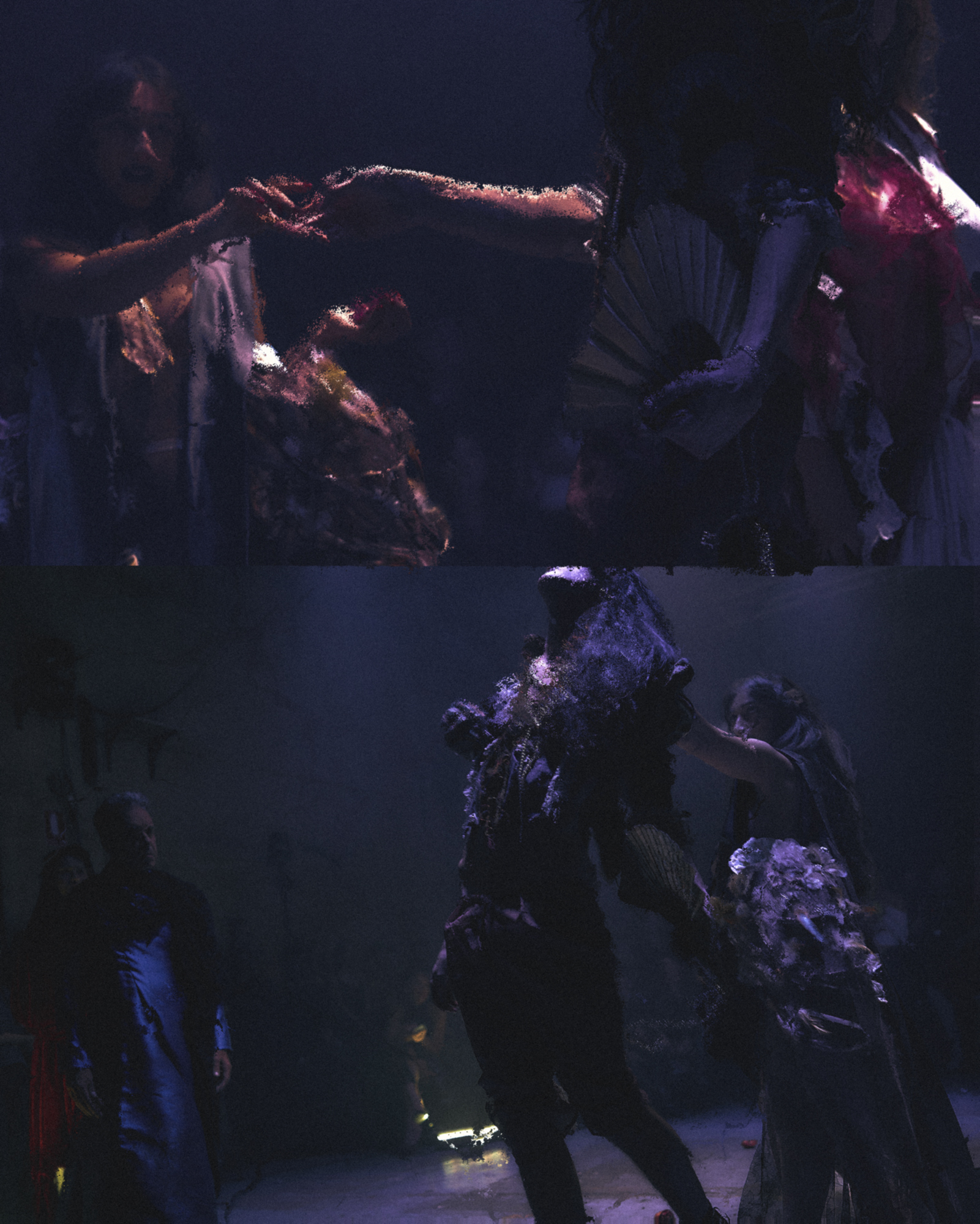
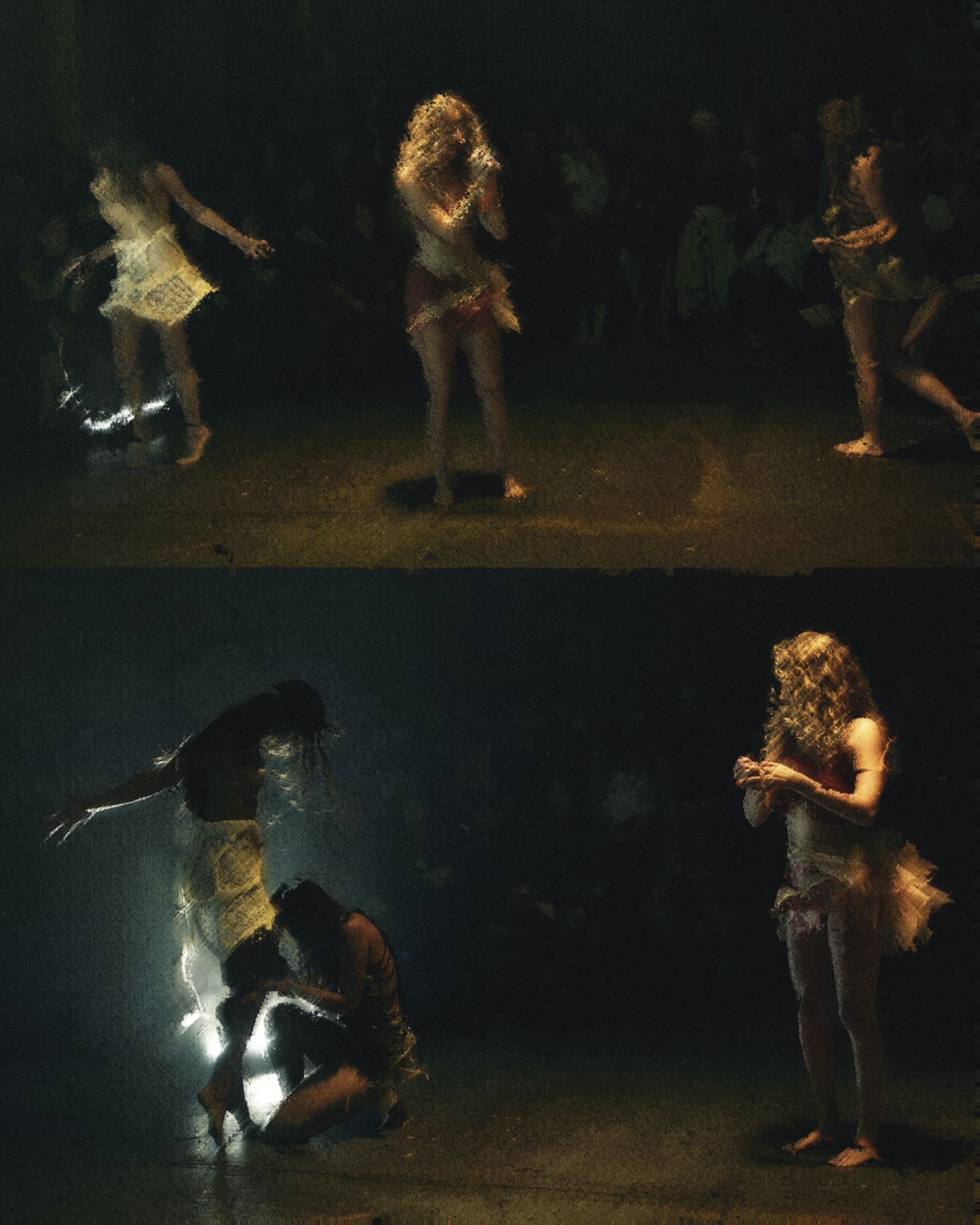
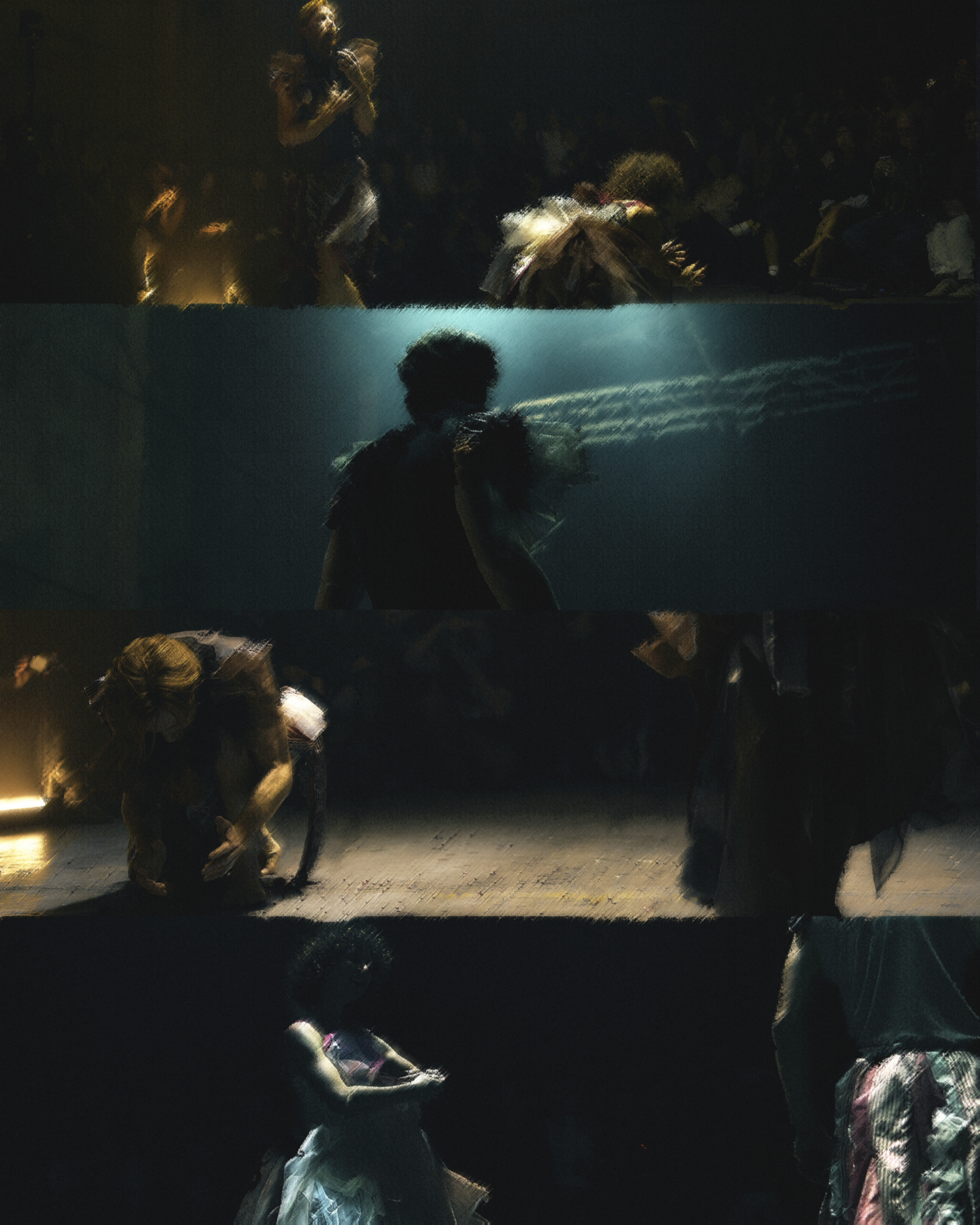
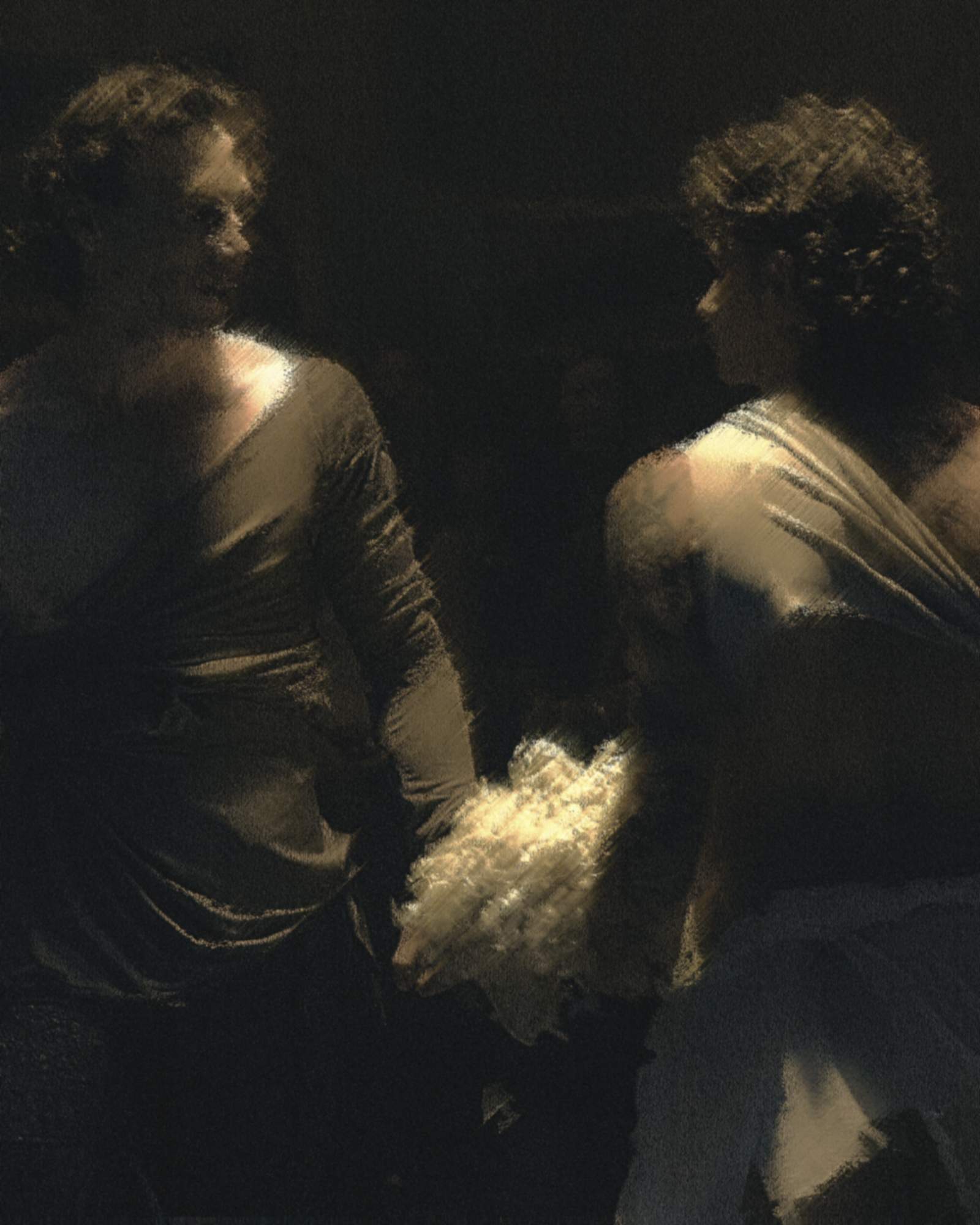
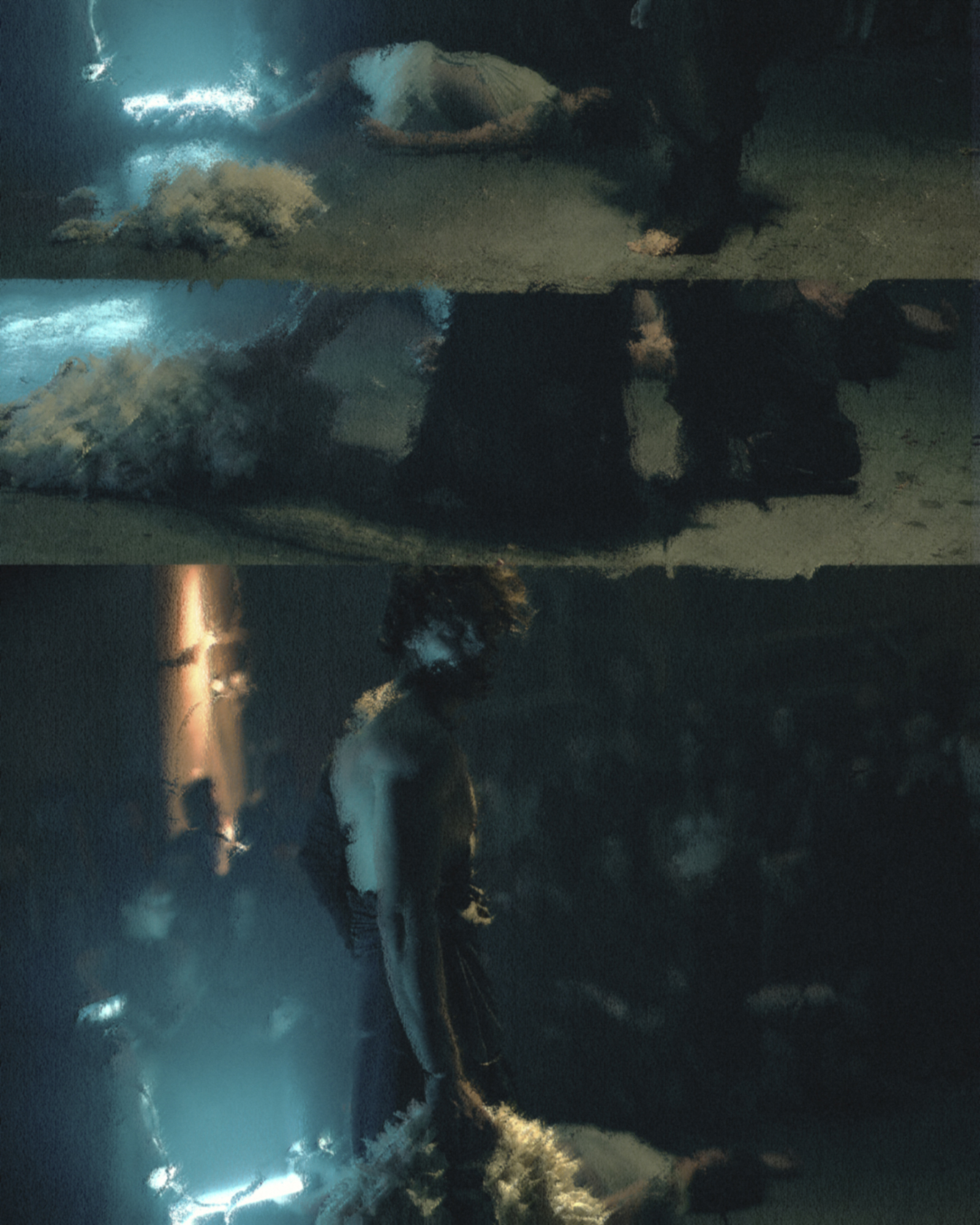
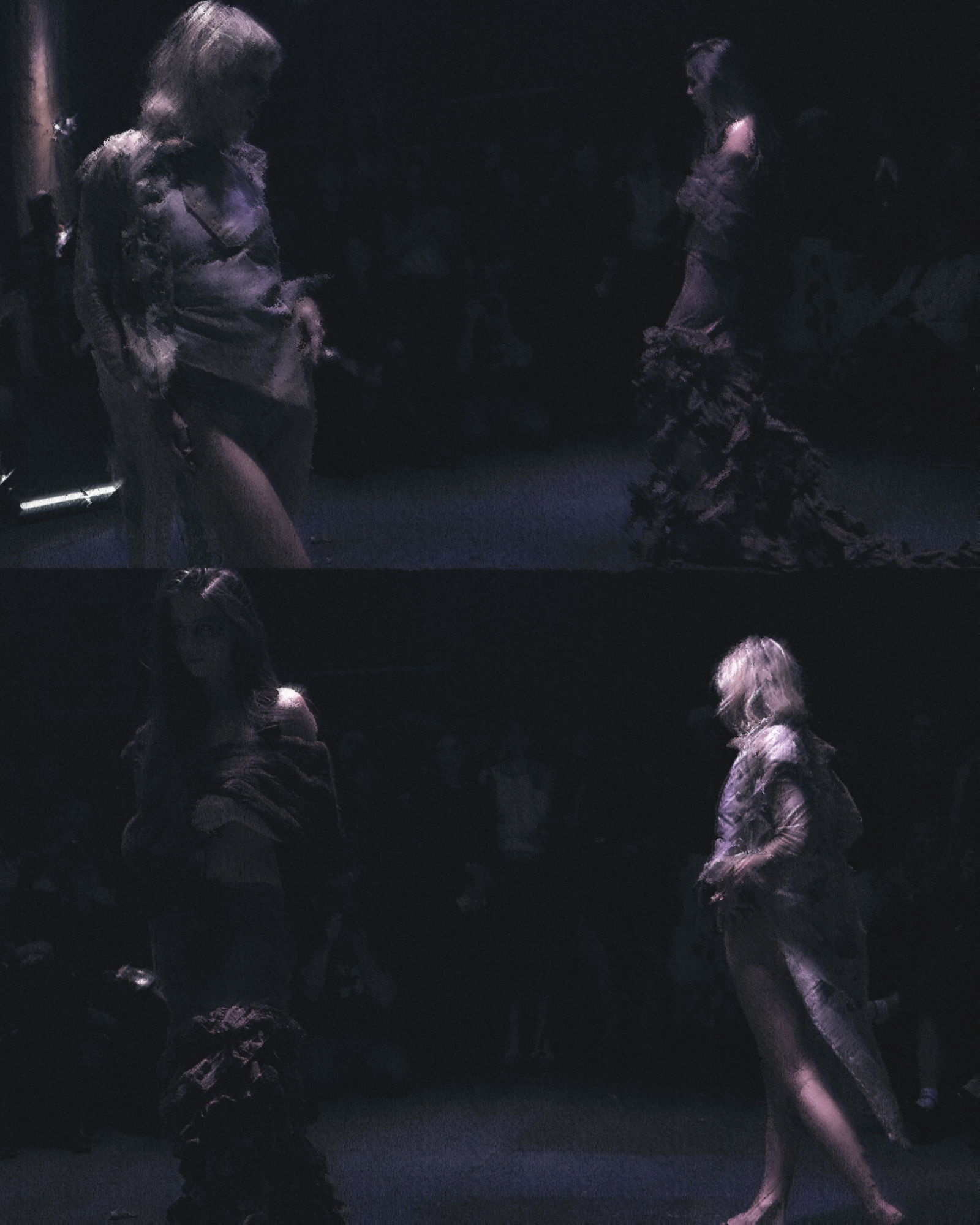
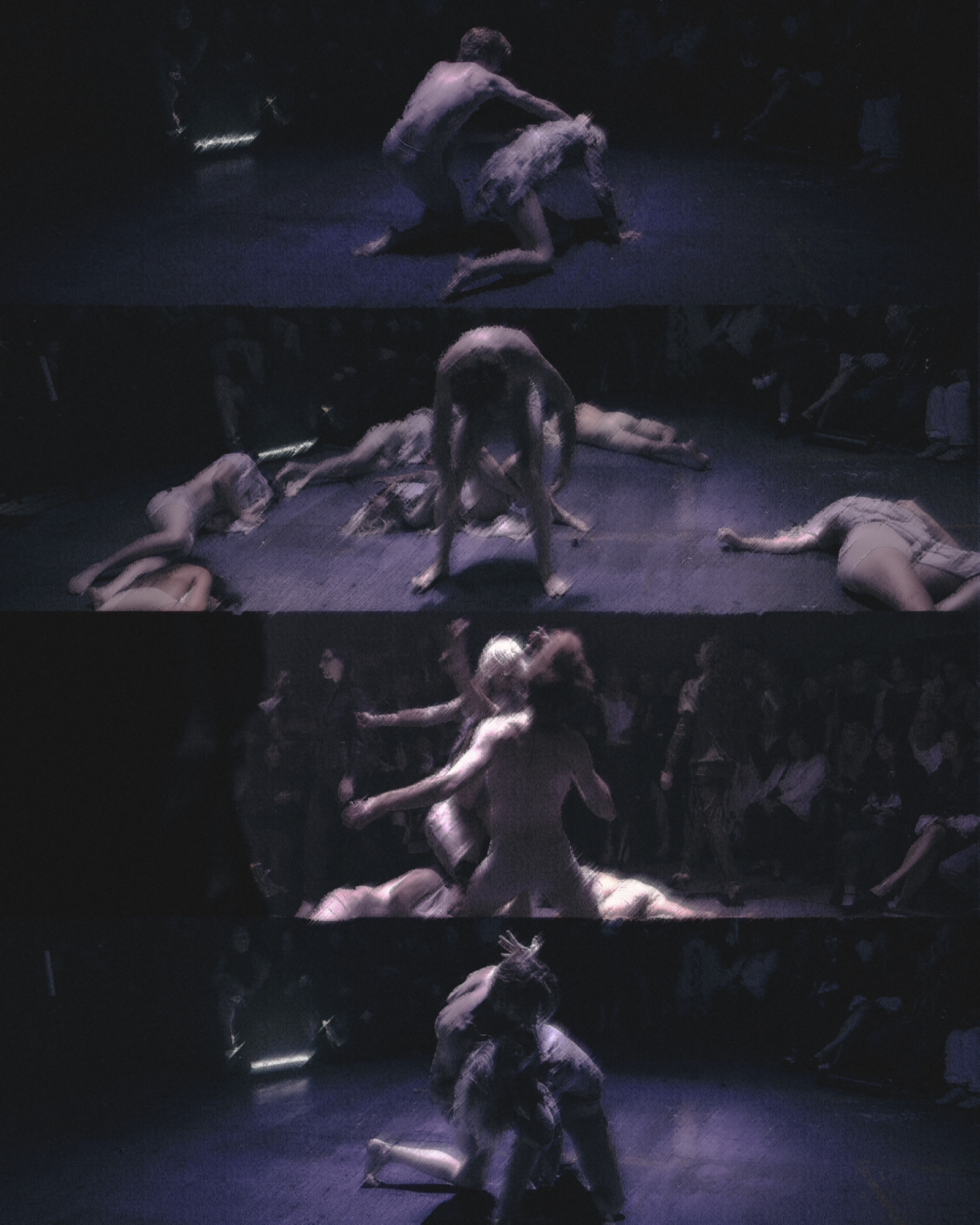
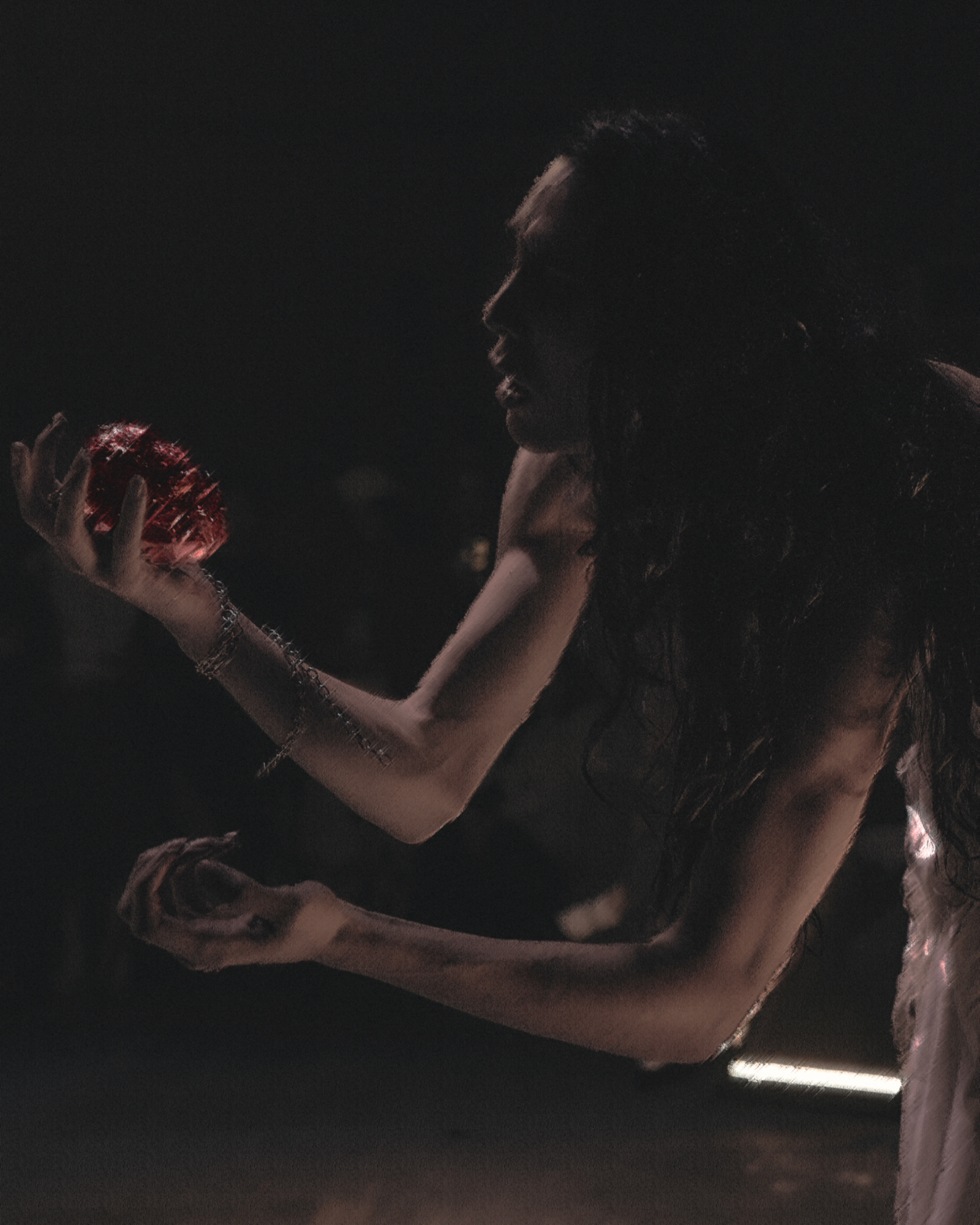
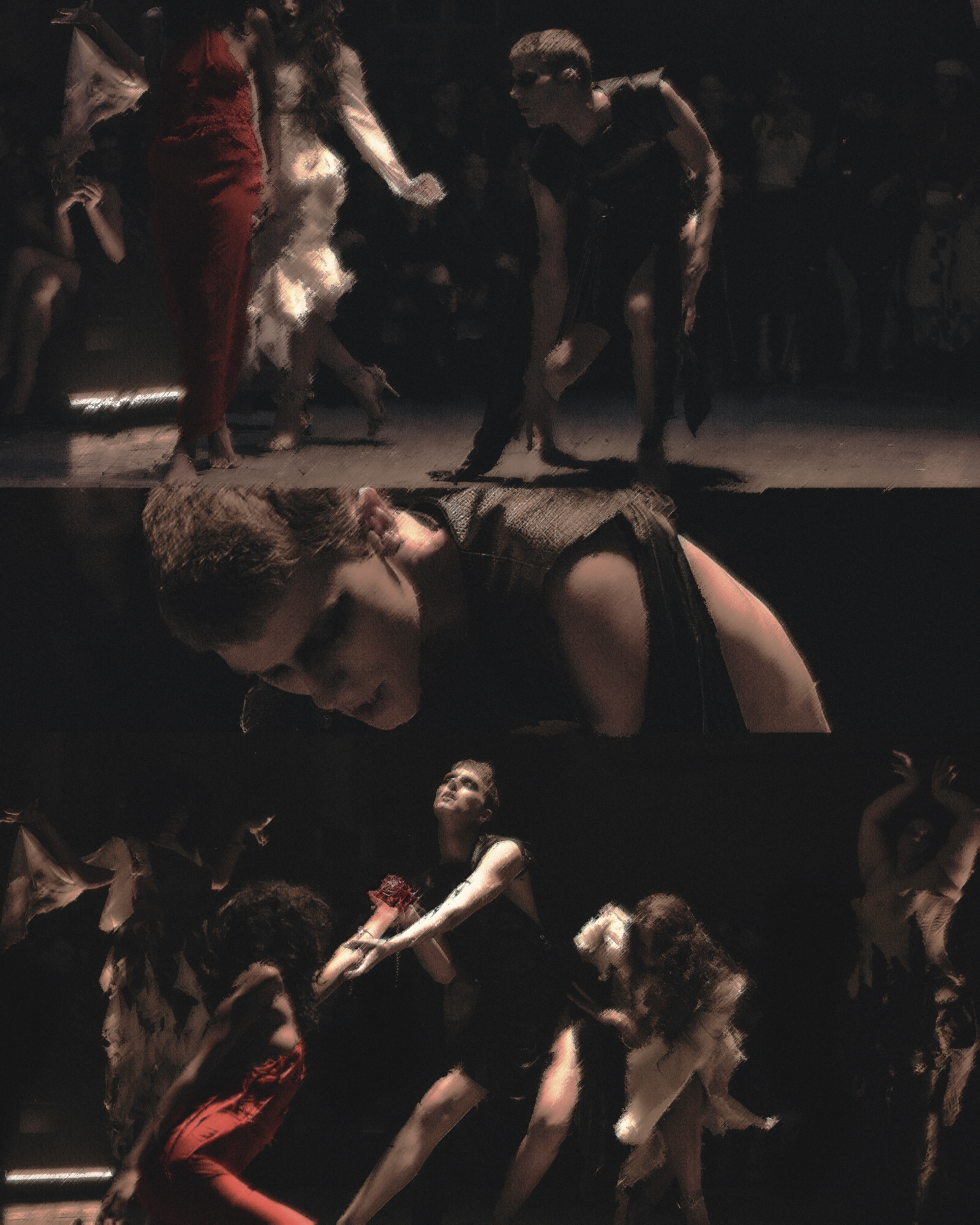
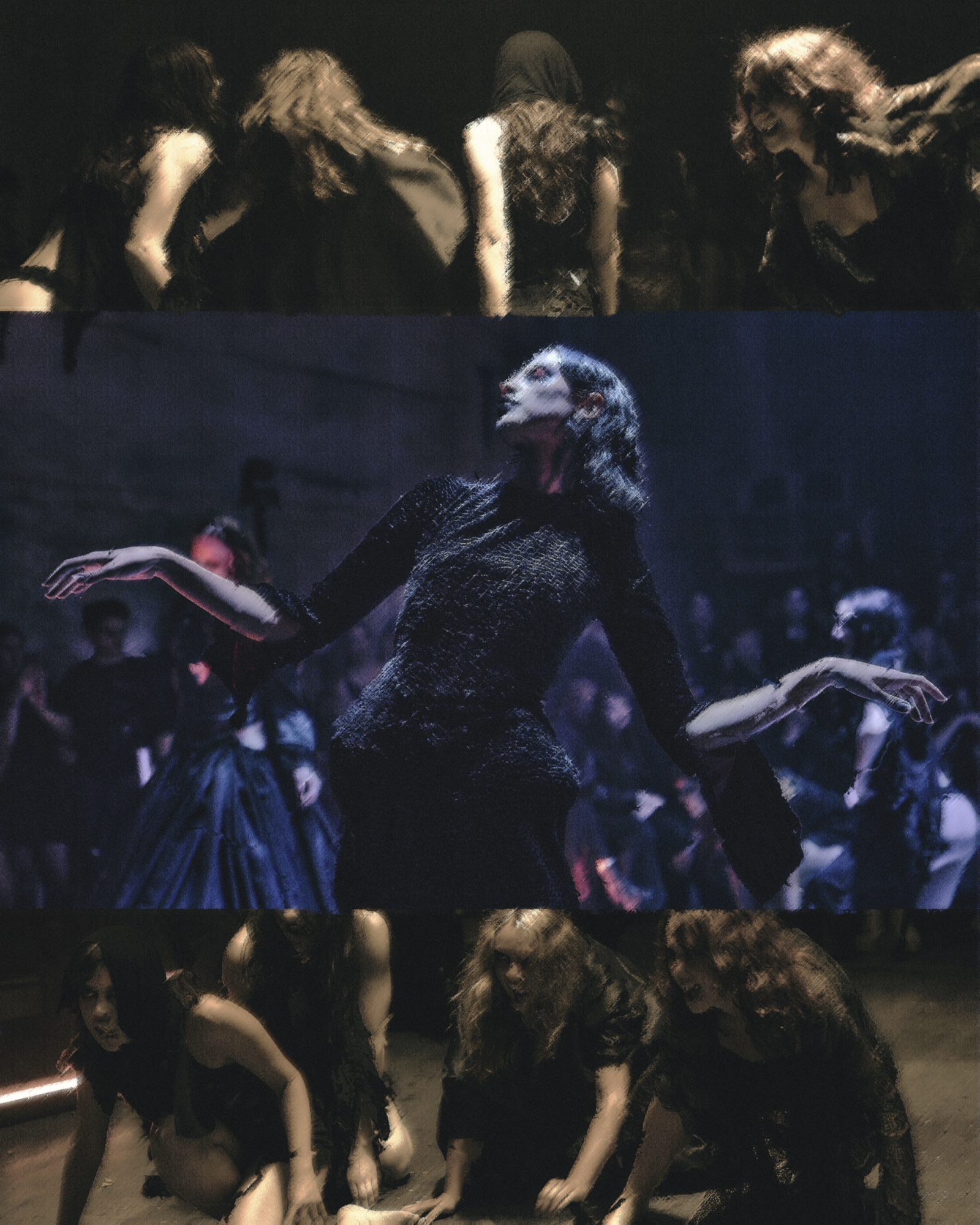
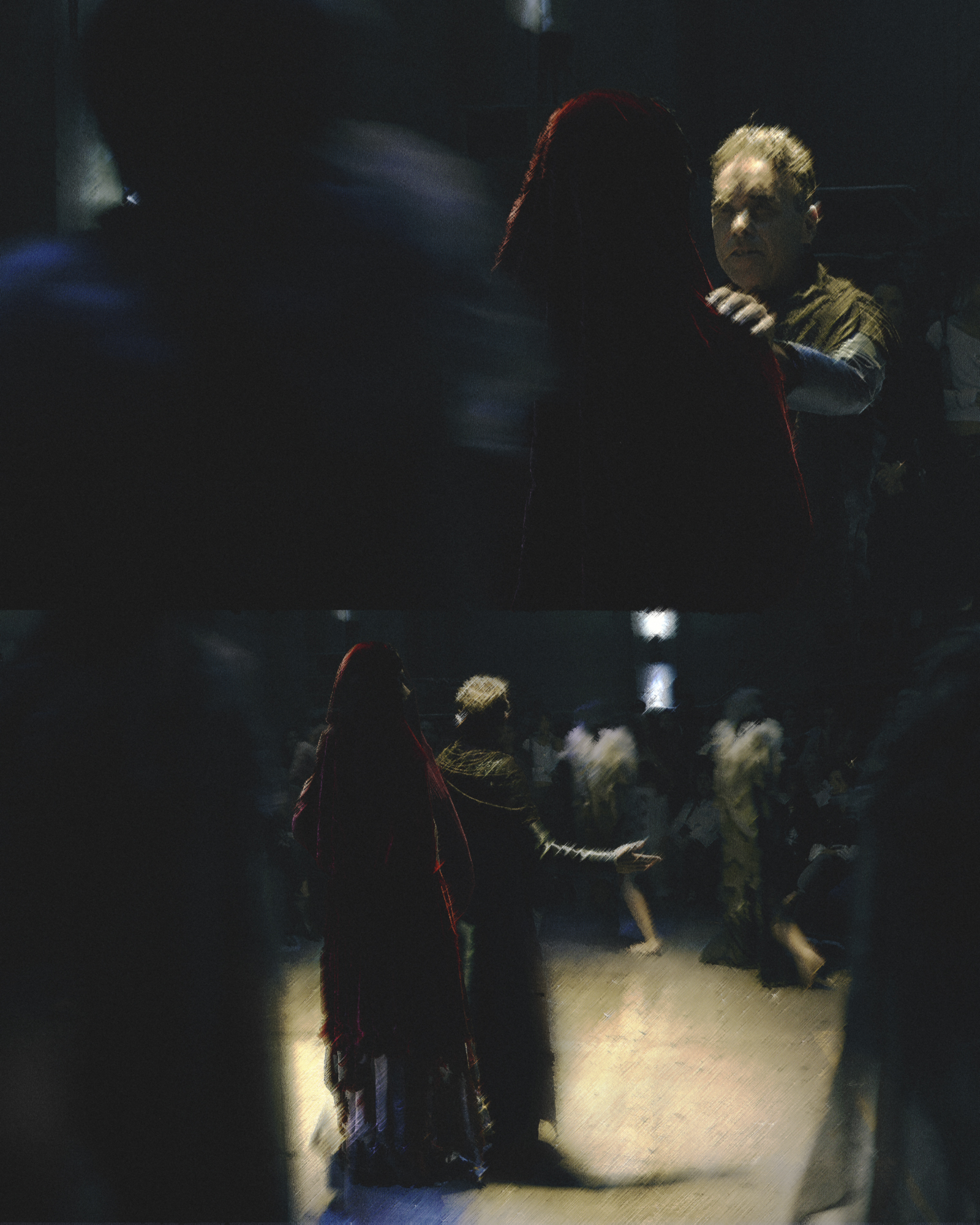
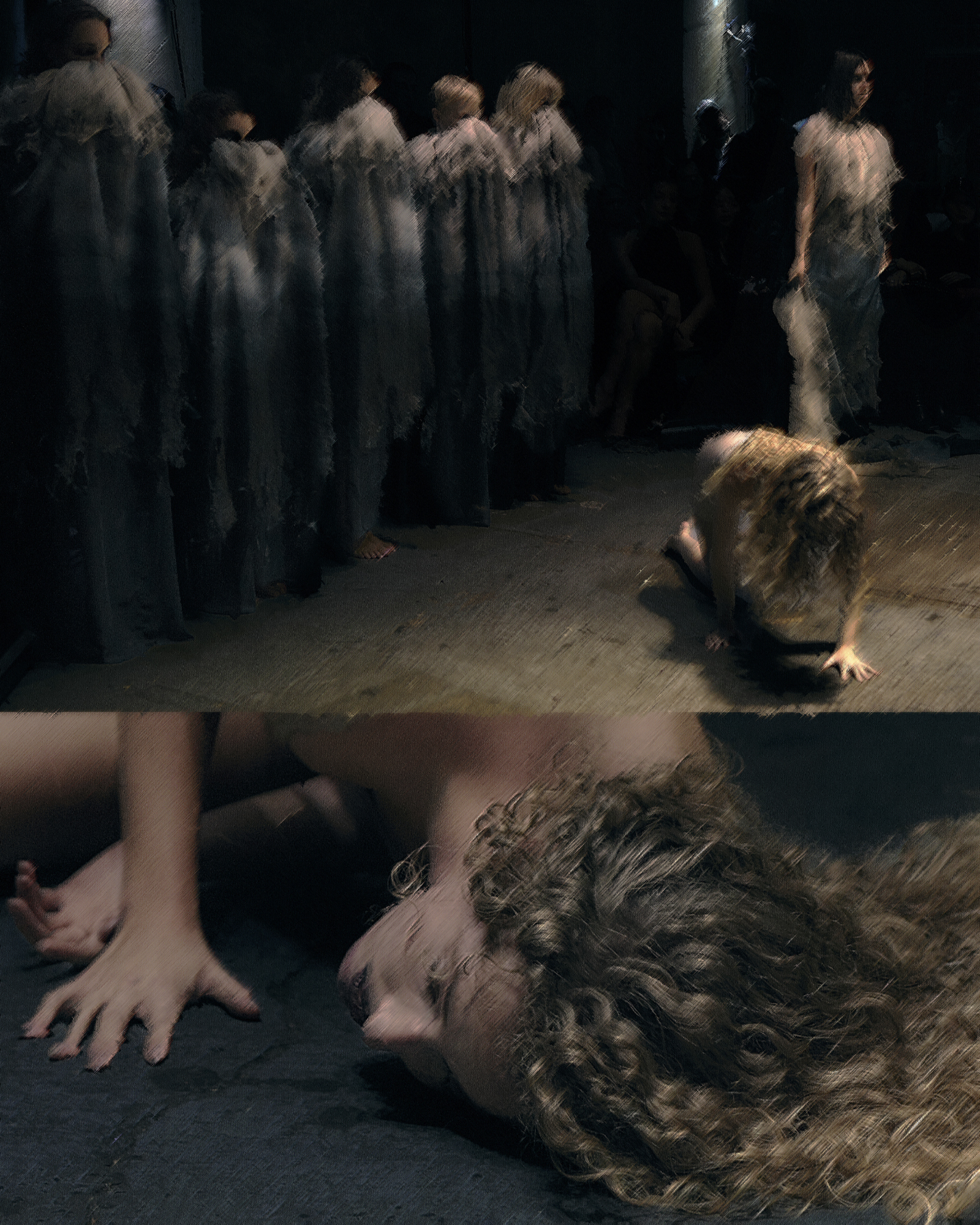
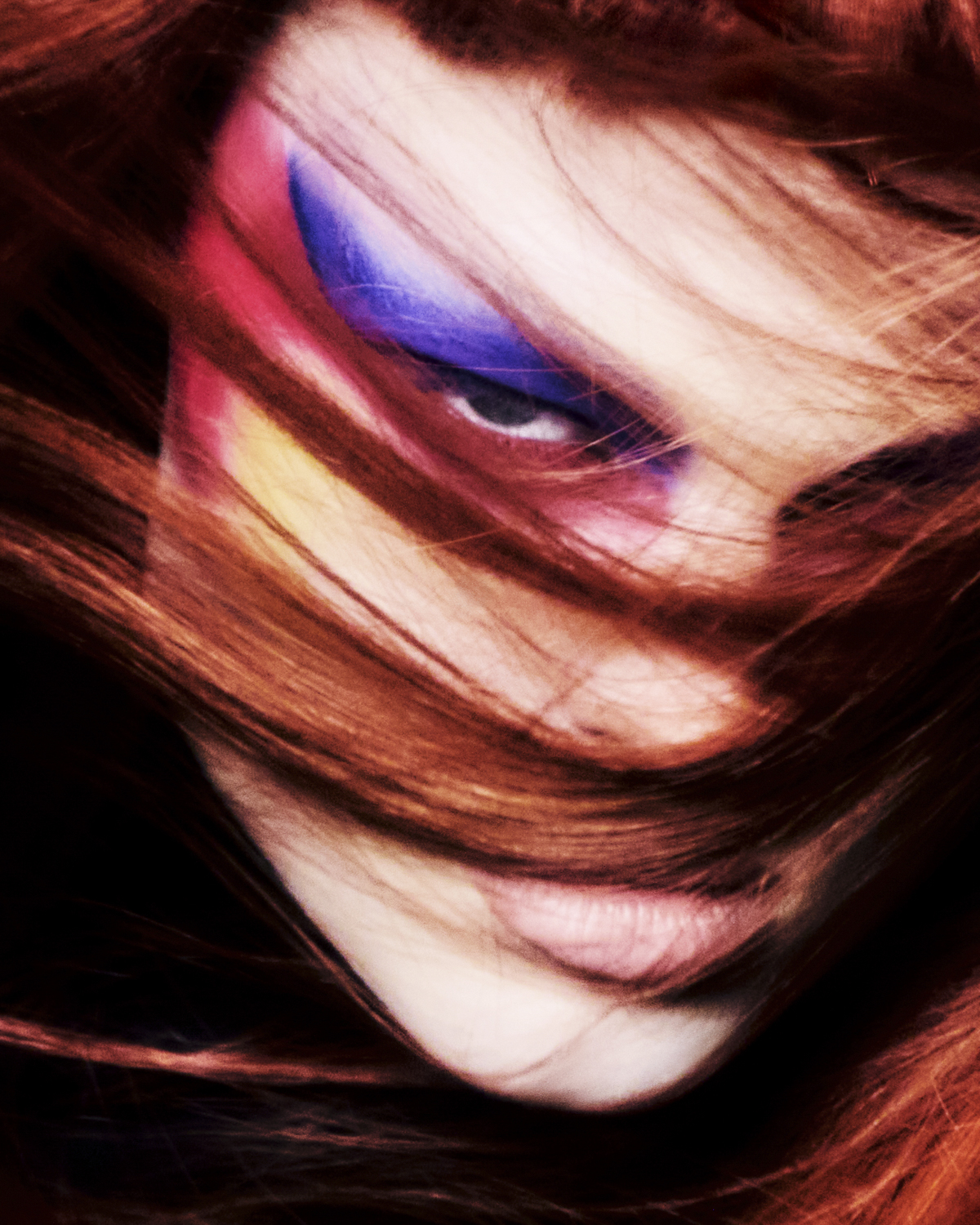
Paris understands something that many designers don’t: that ugliness and beauty are not always opposites. In Doré, they feed each other constantly. Delicate fabrics were interrupted by brutal silhouettes and grimey makeup. Fine corsetry sat against imagery that evoked decay, punishment and excess. There were moments where the collection felt almost sacramental, before quickly collapsing back into something grotesque. The effect was disorienting, like watching desire and destruction circle each other endlessly.
What made the production especially affecting was its refusal to offer catharsis. Whilst traditional runway structures tend to build toward resolution (for example, a final bridal look, a triumphant closing walk, a sense of narrative completion), Doré resisted that instinct entirely. Instead, its finale walk circled around an actress in a state of slow suffocation, trapped within a state she could neither escape nor fully understand. The title of the show began to feel less like a reference point and more like an omen:
There is no end. Just repetition.
Beyond its design and craftsmanship, Doré tapped into something deeper than aesthetics. […] the way humans return to the same mistakes, the same hungers, the same self-destructive patterns hoping the outcome might somehow change.
– Clare Neal
Beyond its design and craftsmanship, Doré tapped into something deeper than aesthetics. Beneath the gothic imagery and theatrical ambition sat a meditation on compulsion itself: the way humans return to the same mistakes, the same hungers, the same self-destructive patterns hoping the outcome might somehow change.
In an industry that often speaks about reinvention and evolution (particularly so given the week that was), Doré argues something else entirely. Just as fashion trends repeat, maybe humans are condemned to themselves over and over again.
And honestly? It was one of the most unforgettable things I saw all week.